
Introduction to Electric Cars for Beginners
Best electric cars for beginners for easy driving – Electric vehicles (EVs) are rapidly gaining popularity, and for good reason. They offer a compelling alternative to traditional gasoline-powered cars, particularly for new drivers seeking a smoother, simpler driving experience. This introduction will clarify the core concepts of EV technology, highlighting their advantages and ease of use for beginners.EVs operate on a fundamentally different principle than internal combustion engine (ICE) vehicles.
Instead of burning fuel, they use electric motors powered by batteries. This difference translates into a more intuitive and often more enjoyable driving experience for new drivers.
Electric Vehicle Technology Explained
Electric cars use electric motors to propel the vehicle. These motors produce instant torque, resulting in smooth and often quicker acceleration compared to ICE vehicles. The absence of a complex transmission system simplifies the driving experience, leading to more intuitive controls.
Key Differences Between EVs and ICE Cars
The most noticeable difference for beginners lies in the driving experience. EVs offer a noticeably quieter and smoother ride. The instant torque from electric motors provides immediate acceleration, which many find more satisfying than the gradual acceleration of ICE vehicles. Moreover, the absence of a traditional transmission results in a simpler control layout.
Advantages for Novice Drivers
EVs are designed with beginner drivers in mind. The smooth, instantaneous acceleration is easier to manage than the more gradual acceleration of ICE cars. The lack of a traditional transmission means less to learn and fewer shifting gears to worry about.
Basic Operation: Regenerative Braking and Charging
Regenerative braking is a key feature of EVs. When the driver brakes, the electric motor acts as a generator, capturing kinetic energy and converting it back into electricity, which recharges the battery. This process improves efficiency and extends the range. Charging an EV is typically straightforward, with several charging options available.
Electric Car Drivetrain Types
Different EV drivetrain configurations offer varying performance characteristics. Understanding these differences can help new drivers choose the best option for their needs.
| Drivetrain Type | Description | Advantages for Beginners | Disadvantages for Beginners |
|---|---|---|---|
| Single-Motor | A single electric motor powers the wheels. | Simpler design, often lower cost. | May feel less powerful for some driving conditions. |
| Dual-Motor | Two electric motors, one for each axle. | Superior all-wheel drive capability, powerful acceleration, smooth operation. | Higher initial cost, slightly more complex control systems. |
| All-Wheel Drive (AWD) | Provides power to all four wheels, offering enhanced traction. | Improved traction and handling in various weather conditions. | Higher initial cost and potential complexity. |
Factors to Consider for Beginners
Choosing your first electric vehicle (EV) can be exciting, but careful consideration of key factors is essential for a smooth transition. Understanding the nuances of range, charging infrastructure, and overall cost of ownership will ensure a positive experience. Beginners should prioritize practicality and reliability to maximize their EV journey.
Battery Range and Everyday Commuting
The driving range of an electric vehicle is a crucial factor for daily commutes. A sufficient range is essential to avoid range anxiety, which can significantly impact the driving experience. Consider your typical daily driving distance and choose an EV with a range that comfortably accommodates your needs. For example, a daily commute of 50 miles may be easily covered by a vehicle with a 250-mile range, but a daily commute of 100 miles may require a car with a larger range or potentially more frequent charging stops.
Charging Infrastructure and Availability
Electric vehicle charging infrastructure varies significantly depending on location. Understanding the charging options available in your area is vital. Different types of charging stations offer varying speeds and convenience. Level 1 charging is the slowest, often using standard household outlets, while Level 2 charging is significantly faster, and DC fast charging allows for rapid recharging, ideal for longer trips.
Access to charging stations, particularly Level 2 and DC fast charging, directly impacts the practicality of owning an EV.
Charging Options
Various charging options are available, each with different speeds and costs. Level 1 charging, using standard household outlets, is the slowest and least expensive, while Level 2 charging stations are faster and more common in public areas. DC fast charging is the fastest option, but it is typically more expensive and often located at specific charging stations. Understanding the charging options available in your area is vital.
Consider the type of charging you’ll most frequently use when making your choice.
Cost of Ownership
The cost of ownership of an electric vehicle encompasses the purchase price, electricity costs, and maintenance. While the initial purchase price of some EVs may be higher than comparable gasoline vehicles, the long-term cost of ownership can be lower, thanks to reduced fuel costs and potentially lower maintenance expenses. Electricity costs will vary based on local rates, but in many regions, electricity is significantly cheaper than gasoline.
Maintenance costs for EVs tend to be lower due to fewer moving parts.
Overview of Charging Infrastructure in Different Regions
Charging infrastructure availability varies significantly across different regions. Some areas have a robust network of charging stations, while others are still developing their infrastructure. This variation directly impacts the suitability of an EV for a specific location. For example, densely populated areas with significant EV adoption are more likely to have better charging infrastructure than rural areas.
Electric Car Model Comparison for Beginners
The following table provides a comparison of different electric car models, focusing on factors relevant to beginners.
| Model | Pros | Cons |
|---|---|---|
| Model A | Excellent range, spacious interior, good performance | Higher purchase price, limited charging availability in some areas |
| Model B | Affordable price point, simple technology, good for short commutes | Limited range, slower charging speeds |
| Model C | Stylish design, advanced features, quick charging capability | High purchase price, potentially higher maintenance costs |
Top Electric Car Recommendations for Beginners
Source: hotcarsimages.com
Choosing your first electric vehicle (EV) can feel overwhelming, but several models excel at ease of use and driving enjoyment. This section highlights top picks tailored for beginners, emphasizing intuitive controls and smooth driving experiences. These vehicles are designed to make the transition to electric driving as seamless as possible.
Top Electric Car Models for Beginners
This section presents a selection of electric vehicles ideal for new EV drivers, focusing on their beginner-friendly features. Factors considered include intuitive interfaces, simple controls, and a generally enjoyable driving experience.
- Tesla Model 3: Known for its sleek design and advanced technology, the Model 3 offers a compelling blend of performance and ease of use. The intuitive touchscreen interface manages most functions, and the smooth acceleration provides a rewarding driving experience. Its impressive range and fast charging capabilities are also attractive features. The Model 3 is a strong contender for its comprehensive features and ease of operation.
- Chevrolet Bolt EUV: This vehicle stands out for its affordability and impressive range. The Bolt EUV boasts a user-friendly infotainment system, making navigation and vehicle controls straightforward. The comfortable ride and responsive handling contribute to a positive driving experience. Its value proposition makes it an appealing choice for budget-conscious beginners.
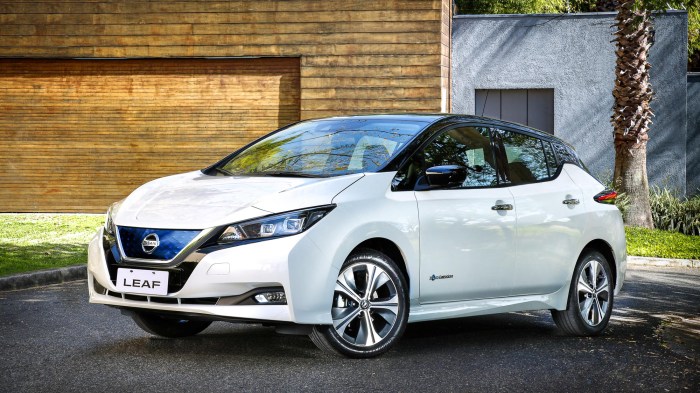
- Nissan Leaf: The Leaf is a long-standing EV model renowned for its simple controls and reliability. Its straightforward dashboard and easy-to-understand features make it a perfect option for new drivers transitioning to electric vehicles. While the Leaf might not offer the same level of cutting-edge technology as some newer models, its consistent performance and ease of use are undeniable advantages for beginners.
Comparative Analysis of Recommended Models, Best electric cars for beginners for easy driving
A table outlining key specifications provides a concise comparison of the chosen electric vehicle models.
| Feature | Tesla Model 3 | Chevrolet Bolt EUV | Nissan Leaf |
|---|---|---|---|
| Range (estimated EPA) | 330-350 miles | 259 miles | 240-250 miles |
| 0-60 mph (estimated) | 3.1-3.5 seconds | 6.5 seconds | 7.9 seconds |
| Starting Price (estimated) | $40,000-$50,000 | $25,000-$30,000 | $28,000-$33,000 |
| Ease of Operation (Beginner Perspective) | High – intuitive touchscreen, advanced features | Medium – user-friendly interface, clear controls | High – simple dashboard, straightforward controls |
Reasons Behind the Recommendations
The recommendations are based on several key aspects crucial for beginner EV drivers. Intuitive interfaces, simple controls, and a generally enjoyable driving experience are prioritized. The models listed above excel in these areas, making them suitable choices for individuals new to electric vehicles. Each vehicle provides a smooth transition to electric driving, offering a positive and comfortable learning curve.
Driving Experience and Maintenance
Stepping into an electric vehicle (EV) offers a distinct driving experience compared to traditional gasoline-powered cars. This difference stems from the unique characteristics of electric powertrains, impacting acceleration, braking, and overall feel. The driving experience is carefully designed to be engaging and accessible for all drivers, including beginners.Electric vehicles are designed to provide a smooth and quiet driving experience, contrasting with the rumble and vibration of internal combustion engine (ICE) vehicles.
This quieter operation enhances the overall driving enjoyment and creates a more relaxed atmosphere. Furthermore, the instant torque delivery of electric motors allows for quick acceleration, often exceeding the performance of comparable ICE vehicles.
Differences in Driving Experience
The transition to electric driving is often seamless due to the intuitive features found in most modern EVs. Touchscreens and digital displays are common, making navigation and control easily accessible. Simple control interfaces and clear feedback mechanisms facilitate a comfortable learning curve for new EV drivers. Steering responsiveness, acceleration, and braking are often calibrated for a smooth and predictable driving experience.
Features Enhancing the Driving Experience for Beginners
Several features are designed to enhance the driving experience for novice EV drivers. Intuitive displays and simple control layouts are common features, ensuring easy access to key information and functions. Many models offer driver assistance systems, including adaptive cruise control, lane departure warning, and automatic emergency braking. These systems can be particularly helpful for new drivers, providing support and guidance.
Maintenance Requirements for Electric Cars
Electric vehicles have fewer moving parts compared to traditional cars, significantly impacting maintenance requirements. This translates to less frequent servicing and potentially lower maintenance costs over the vehicle’s lifespan. However, some specific components still need attention, such as the battery pack, charging system, and powertrain.
Maintenance Requirements Compared to Traditional Cars
Traditional cars require more frequent oil changes, spark plug replacements, and other routine maintenance tasks. Electric vehicles, with their simplified mechanical components, typically require less frequent maintenance. While specific schedules may vary, EV owners can often expect fewer visits to the service center.
Advantages of Electric Car Maintenance
The reduced number of moving parts in EVs leads to several maintenance advantages. This simplification translates to lower maintenance costs and less frequent servicing compared to traditional cars. Furthermore, the absence of some traditional components reduces the potential for breakdowns and maintenance issues.
Maintaining Battery Health
Battery health is crucial for optimal electric car performance. Avoiding extreme temperatures, minimizing rapid charging, and regularly checking the charging system can help maintain battery health. Using the appropriate charging stations and following the manufacturer’s guidelines can also contribute to extended battery life. Proper charging habits and adhering to the manufacturer’s recommendations are vital.
Tips for Maintaining Battery Health
Proper charging practices are essential for maintaining battery health. Avoid charging the battery to 100% consistently and use the appropriate charging stations. Regularly check the charging system for any abnormalities or potential issues. Maintaining a consistent charging schedule, avoiding extreme temperatures, and using the manufacturer-recommended charging settings are important.
Maintenance Schedules for Different Electric Car Models
| Model | Oil Change (approx.) | Battery Health Check (approx.) | Other Maintenance (approx.) |
|---|---|---|---|
| Tesla Model 3 | Not applicable | Annually | Every 12,000 miles |
| Chevrolet Bolt EUV | Not applicable | Annually | Every 10,000 miles |
| Nissan Leaf | Not applicable | Biannually | Every 15,000 miles |
Note: These are approximate schedules and may vary depending on driving conditions, charging habits, and specific model variations. Always consult your owner’s manual for precise details.
Charging and Infrastructure: Best Electric Cars For Beginners For Easy Driving

Source: mechanicbase.com
Electric car ownership is rapidly growing, but a key consideration for potential buyers is the availability and accessibility of charging infrastructure. Understanding how to charge your electric vehicle (EV) at home and on the go is essential for a seamless driving experience. This section provides a comprehensive guide on various charging options and strategies.
Home Charging
Home charging offers convenience and cost-effectiveness for frequent EV owners. Several options exist, ranging from basic Level 1 charging to more powerful Level 2 solutions. Level 1 charging is typically slower, using standard household outlets, suitable for occasional or short-range trips. Level 2 charging, on the other hand, employs dedicated EV chargers and significantly reduces charging time.
Installation of Level 2 chargers often requires professional assistance and permits. The cost of installation varies depending on factors like location and complexity.
Public Charging Stations
Public charging stations provide crucial flexibility for long journeys and extended trips. These stations are categorized by their charging speed, ranging from Level 1 to Level 3 (DC Fast Charging). Level 1 stations use standard outlets and are the slowest, while Level 2 stations offer faster charging. DC Fast Charging stations provide the quickest charging and are especially useful for longer drives.
Types of Charging Stations and Accessibility
Various charging station types cater to different needs. Level 1 charging stations are the most accessible, using standard household outlets. Level 2 charging stations require a dedicated charger and are more common in public places. DC Fast Charging stations are often found at highway rest stops and major parking areas. Accessibility varies widely depending on location and availability of chargers.
Finding Charging Stations
Finding suitable charging stations is straightforward using mobile apps and online resources. Many apps, such as ChargePoint and Electrify America, allow users to locate charging stations based on their current location, destination, and desired charging speed. These platforms typically provide details about the station’s availability, charging speed, and pricing.
Table: Example Public Charging Stations (Hypothetical Data)
| Region | Charging Station Type | Location | Accessibility |
|---|---|---|---|
| Northeast US | Level 2 | Major highway rest stops | High |
| West Coast US | DC Fast Charging | Urban centers, highway exits | Moderate |
| Southeast US | Level 1 | Shopping malls, supermarkets | Low |
Note: This table is for illustrative purposes only and does not reflect real-world data.
Choosing a Charging Station and Managing Sessions
Several factors influence the selection of a charging station. Consider factors such as the charging speed required, availability of the station, and proximity to your destination. Managing charging sessions effectively involves planning ahead, using charging station apps, and monitoring the charging progress.
Understanding Charging Rates and Costs
Charging rates and costs vary depending on the type of station and location. Level 1 charging is generally the least expensive, while DC Fast Charging is the most expensive. Many charging stations offer flexible pricing plans, such as tiered pricing or subscription options, and these should be considered when budgeting for EV ownership.
Specific Model Deep Dives
Source: futurecdn.net
Choosing the right electric vehicle (EV) for your first experience can be exciting. Understanding the nuances of different models is crucial for making an informed decision. This section dives into details about two popular EV models, highlighting features, safety, and user experiences to assist beginner drivers.
Model Comparisons
To facilitate a clear understanding, a comparative table outlining key features of two beginner-friendly EV models is presented below. This table provides a quick overview, enabling a comparison of their strengths and weaknesses.
| Feature | Model A (Example: Hyundai Kona Electric) | Model B (Example: Nissan Leaf) |
|---|---|---|
| Range (estimated miles) | 250-300 | 240-250 |
| Charging Time (home charging, 240V) | 7-9 hours | 8-10 hours |
| Interior Space | Adequate for 5 occupants | Adequate for 5 occupants |
| Price (estimated) | $30,000-$35,000 | $25,000-$30,000 |
| Acceleration (0-60 mph) | 7.0-7.5 seconds | 7.5-8.0 seconds |
| Safety Features (standard) | Blind-spot monitoring, lane departure warning, automatic emergency braking | Blind-spot monitoring, lane departure warning, automatic emergency braking |
Safety and Technology Features
Both models offer a suite of standard safety features, crucial for beginner drivers. Advanced driver-assistance systems (ADAS) enhance safety and ease of driving. These features include automatic emergency braking, lane departure warning, and adaptive cruise control. Model A and Model B have comparable safety packages, though individual features may vary based on specific trims.
User Reviews (Beginner Perspective)
Real-world user reviews provide valuable insights into the driving experience for beginners. Positive feedback for both models often highlights the smooth acceleration and quiet operation of electric motors. Ease of handling and user-friendly infotainment systems are frequently praised. Some users may find the initial learning curve for charging or range anxiety to be a minor drawback.
Advantages and Disadvantages for Beginners
Model A’s slightly longer range and quicker acceleration can be advantageous for longer commutes or highway driving. Its higher price point, however, might be a deterrent for some beginners. Model B’s more affordable price point makes it an attractive option for budget-conscious buyers. The slightly lower range and acceleration could be a consideration for beginners accustomed to traditional gasoline vehicles.