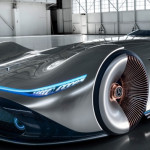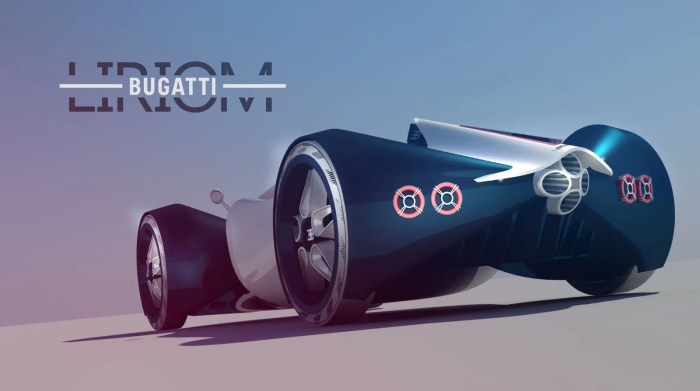

Introduction to Futuristic Family Cars

Source: pocketlintimages.com
Best futuristic family cars for innovative design – Futuristic family cars represent a departure from traditional designs, prioritizing innovative features and functionalities beyond mere transportation. These vehicles are not just about getting from point A to B; they’re about creating a seamless and engaging experience for the entire family. Their design often incorporates cutting-edge technologies, aiming to enhance comfort, safety, and overall family well-being.These vehicles are distinguished by their emphasis on advanced technologies and design aesthetics.
They move beyond the conventional framework of family cars, incorporating elements of personal space, entertainment, and communication in ways that were previously unimaginable. This shift reflects a changing societal landscape where families prioritize shared experiences and individual comfort within the vehicle.
Defining Futuristic Family Cars
Futuristic family cars are vehicles characterized by innovative design elements that prioritize both functionality and aesthetic appeal. This involves a departure from traditional designs, focusing on technologies such as automated driving systems, advanced infotainment systems, and sustainable energy sources. These features aim to elevate the family car experience from a simple means of transportation to a dynamic space for interaction and entertainment.
Key Characteristics of Futuristic Family Cars
The key characteristics that set futuristic family cars apart from their traditional counterparts include:
- Enhanced Connectivity: Futuristic family cars offer seamless integration of various digital platforms, allowing for real-time communication, entertainment, and navigation. This enables families to connect and share experiences while on the road.
- Autonomous Driving Capabilities: Automated driving systems are a defining feature, allowing for hands-free driving, improved safety, and the potential for more personalized experiences, such as in-car relaxation or work time.
- Sustainable Energy Sources: These vehicles increasingly utilize electric or hybrid powertrains, contributing to environmental responsibility. This is complemented by advanced energy management systems to optimize efficiency.
- Personalized Spaces: Design prioritizes adaptable seating arrangements and flexible interior layouts to accommodate various family needs. The interiors often feature customizable lighting, sound systems, and other elements that cater to different moods and preferences.
Impact of Innovative Design on Family Car Usage
Innovative designs can significantly alter family car usage. The integration of technologies like autonomous driving could free up passengers to engage in other activities, work, or simply relax. More spacious and customizable interiors could foster family bonding through shared activities or individual pursuits.
Examples of Futuristic Family Car Designs
Several past and present designs exemplify the concept of futuristic family cars. Concepts like the Tesla Model S, with its spacious interior and advanced technology, are strong examples. Similarly, numerous concept cars from major automakers showcase futuristic designs, exploring potential advancements in materials, energy sources, and interactive technologies.
Comparison of Traditional vs. Futuristic Family Cars
| Feature | Traditional Family Car | Futuristic Family Car | Key Design Differences |
|---|---|---|---|
| Powertrain | Internal Combustion Engine (ICE) | Electric/Hybrid/Hydrogen | Shift towards sustainable and efficient power systems |
| Interior | Fixed seating arrangements | Modular and adaptable layouts | Enhanced flexibility and personalization |
| Connectivity | Basic infotainment systems | Seamless integration of digital platforms | Enhanced communication and entertainment |
| Safety | Traditional safety features | Advanced driver-assistance systems (ADAS) | Enhanced safety and driver assistance |
Innovative Design Elements
Futuristic family cars are envisioned to seamlessly blend cutting-edge technology with ergonomic design, prioritizing both comfort and safety. These vehicles are not mere transportation; they are sophisticated spaces tailored for families, reflecting the evolving needs and preferences of modern living. Key design elements are paramount to achieving this goal.
Top 5 Innovative Design Elements
Several design elements define the futuristic aesthetic. These elements aim to improve safety, enhance functionality, and offer a more immersive driving experience. These features represent a significant departure from traditional car design, incorporating advancements in materials, energy efficiency, and autonomous driving.
- Integrated Augmented Reality Displays: These displays overlay information onto the driver’s view, providing real-time traffic updates, navigation directions, and even interactive elements, all within the driver’s field of vision. The seamless integration of AR technology enhances the driving experience, reducing the need for the driver to constantly look away from the road. Advanced computer vision systems and high-resolution displays are crucial to the implementation of AR.
This element may require more stringent testing and validation to ensure safety, especially in rapidly changing conditions.
- Shape-Shifting Body Structures: Future vehicles may feature adaptable exterior shapes, capable of altering their form based on environmental conditions or driving needs. This can optimize aerodynamics for fuel efficiency or provide increased passenger space. Sophisticated material science and advanced actuators would be required to achieve this level of adaptability. The potential for increased crashworthiness in dynamic conditions is worth exploring.
The development of responsive materials is crucial, allowing for quick and precise shape changes without sacrificing structural integrity.
- Biometric and AI-Driven Interior Control Systems: Cars of the future may feature sophisticated systems that recognize and respond to the occupants’ needs and preferences. This includes biometric sensors to monitor driver and passenger well-being, allowing for customized climate control, entertainment, and even driver assistance based on individual needs. This feature requires advanced sensor technology and sophisticated AI algorithms for real-time analysis and adaptation.
Ensuring the security and privacy of the biometric data is paramount to responsible development.
- Self-Healing Materials: These materials are designed to repair minor damage automatically, reducing the need for frequent repairs and maintenance. Advanced composite materials with embedded sensors and micro-repair mechanisms are crucial for this technology. The reliability and durability of these materials need extensive testing to ensure they can withstand various environmental conditions and high-impact situations. Self-healing capabilities will significantly reduce repair costs and downtime for drivers.
- Sustainable and Renewable Energy Sources: Electric vehicles (EVs) are already making significant strides, and future designs will likely incorporate advanced battery technologies and potentially fusion power systems to offer significantly longer ranges and faster charging times. This element underscores a commitment to environmental sustainability. This will require extensive research and development in battery chemistry, power management systems, and potentially new energy storage solutions.
Functionality and Benefits
| Innovative Design Element | Functionality | Potential Benefits | Technical Advancements |
|---|---|---|---|
| Integrated Augmented Reality Displays | Overlays information onto the driver’s view | Improved driving experience, reduced distraction | Advanced computer vision, high-resolution displays, real-time data processing |
| Shape-Shifting Body Structures | Adapts exterior shape based on driving conditions | Improved fuel efficiency, increased passenger space, enhanced crashworthiness | Sophisticated material science, advanced actuators, responsive material development |
| Biometric and AI-Driven Interior Control Systems | Recognizes and responds to occupant needs | Customized comfort, enhanced safety features, personalized experience | Biometric sensors, AI algorithms, sophisticated sensor networks |
| Self-Healing Materials | Automatically repairs minor damage | Reduced maintenance costs, extended vehicle lifespan, enhanced safety | Advanced composite materials, embedded sensors, micro-repair mechanisms |
| Sustainable and Renewable Energy Sources | Uses alternative energy sources | Reduced environmental impact, improved fuel efficiency, increased range | Advanced battery technologies, potentially fusion power systems, power management systems |
Interior Design and Features
Futuristic family cars prioritize not just aesthetics but also functionality, especially for diverse family needs. Interior design elements are carefully crafted to maximize comfort, convenience, and safety for all occupants. Sustainable materials and eco-friendly technologies are integral to the design, aligning with modern environmental consciousness.The interior spaces are meticulously planned to accommodate various family activities, from quiet movie nights to boisterous road trips.
Interactive and adaptable features ensure a flexible and engaging environment for every member.
Interior Design Considerations for Family Needs
The design prioritizes versatility and adaptability. Modular seating arrangements allow for easy reconfiguration from a spacious seating area for movie nights to a practical layout for transporting luggage and sporting equipment. Soft, cushioned seating materials, combined with adjustable headrests and lumbar support, enhance passenger comfort on long journeys.
Sustainable Materials and Eco-Friendly Technologies
Sustainable materials like recycled plastics, bio-based fabrics, and bamboo are incorporated throughout the interior. These materials are not only environmentally friendly but also offer unique aesthetic qualities. Eco-friendly technologies such as advanced filtration systems, minimizing energy consumption, and natural light maximization are also incorporated, reducing the car’s environmental footprint. For example, many contemporary car designs now use recycled plastic in dashboards and trim pieces, while innovative fabrics like mycelium leather (a fungal-based material) offer a compelling alternative to traditional animal-derived leather.
Interactive and Adaptable Interior Spaces
The interiors are designed with interactive features to enhance the passenger experience. Touchscreen displays allow for personalized settings, entertainment options, and climate control, while voice-activated systems facilitate hands-free operation. Adaptive interior lighting adjusts to different moods and activities, enhancing ambiance and comfort. Imagine a car where the seats themselves can adjust to support different body types or the interior lighting dynamically changes to create a more calming or stimulating atmosphere.
Table: Interior Features, Functionalities, and Environmental Impact
| Interior Feature | Functionality | Environmental Impact | Examples |
|---|---|---|---|
| Recycled Plastic Dashboards | Durable and aesthetically pleasing dashboard material | Reduced reliance on virgin plastic, lessening landfill waste | Recycled PET plastic dashboards, integrated recycled fiber trim |
| Bio-Based Fabrics | Soft, comfortable seating materials | Lower carbon footprint compared to conventional fabrics | Mycelium leather upholstery, plant-based fibers in carpets |
| Smart Climate Control | Individualized climate control for each passenger | Optimized energy use through targeted temperature adjustments | Personalized temperature settings, dynamic air circulation systems |
| Voice-Activated Systems | Hands-free control of entertainment and other functions | Reduced driver distraction, improved safety | Natural language processing systems, intuitive voice commands |
Exterior Design and Aesthetics
Futuristic family cars are not just about functionality; they must also be visually appealing. Exterior design plays a crucial role in attracting buyers and projecting an image of innovation and forward-thinking technology. The aesthetics of these vehicles should reflect their advanced capabilities and blend seamlessly with the surrounding environment.The exterior design of these vehicles is significantly influenced by aerodynamic principles.
This is not just about looking sleek; aerodynamic shapes and forms contribute directly to improved fuel efficiency and handling characteristics. The use of advanced computational fluid dynamics (CFD) allows designers to optimize the airflow around the vehicle, minimizing drag and maximizing performance.
Aerodynamic Shapes and Forms, Best futuristic family cars for innovative design
The use of sculpted surfaces, streamlined contours, and optimized wheel designs are crucial for achieving aerodynamic efficiency. These elements minimize air resistance, reducing fuel consumption and improving the vehicle’s overall performance. For example, the integration of retractable spoilers and adjustable aerodynamic elements allows drivers to tailor the vehicle’s performance to different driving conditions. This adaptability is a hallmark of futuristic designs, demonstrating a commitment to both efficiency and versatility.
Innovative Technologies in Exterior Design
Advanced materials and technologies are integral components of the exterior design. Transparent panels, embedded lighting systems, and dynamic exterior features like adaptive headlights and variable-shape grilles are becoming increasingly common. These features enhance the visual appeal while also offering practical benefits, such as improved visibility and enhanced safety.
Unique and Eye-Catching Exterior Designs
Several concepts showcase the potential of innovative exterior designs. Vehicles with bio-inspired shapes, featuring organic curves and flowing lines, are gaining traction. Others utilize a combination of metallic and translucent materials, creating a futuristic and visually striking appearance. Vehicles with integrated solar panels on the roof or wings exemplify a commitment to sustainability, seamlessly blending functionality with aesthetics.
Exterior Design Styles and Their Impact on Performance
| Design Style | Aesthetics | Potential Impact on Performance | Examples |
|---|---|---|---|
| Bio-inspired | Organic curves, flowing lines, and natural shapes. | Potential for improved aerodynamic efficiency through mimicking natural forms. | Vehicles inspired by bird wings or aquatic creatures. |
| Sleek and Streamlined | Low-profile design, smooth surfaces, and minimal exterior features. | Significant improvement in aerodynamic efficiency, leading to better fuel economy and handling. | Vehicles with a focus on a minimal, aerodynamic design. |
| Multi-functional | Integrated technologies and features like retractable elements, solar panels, and dynamic lighting systems. | Potential for enhanced performance through adaptable elements, and potentially higher fuel efficiency with solar panels. | Vehicles with retractable spoilers, adaptive headlights, or integrated solar panels. |
| Metallic and Translucent | Combination of metallic and translucent materials for a futuristic look. | Potential for enhanced aesthetics and visual appeal without significant performance impact. | Vehicles with a unique combination of materials for a visually striking appearance. |
Technology Integration

Source: pocketlintimages.com
Futuristic family cars are poised to redefine the driving experience through seamless integration of cutting-edge technology. These advancements prioritize both driver convenience and enhanced safety features, revolutionizing how families interact with their vehicles. The intricate interplay of technology and design creates a compelling and modern driving environment.
Prominent Technological Features
Advanced driver-assistance systems (ADAS) and autonomous driving capabilities are among the most significant technological advancements in modern vehicles. These features aim to enhance safety and improve the overall driving experience. The integration of infotainment systems with intuitive user interfaces further elevates the car’s appeal to families. Connectivity features, such as smartphone integration and internet access, are also crucial aspects of this evolution.
Advanced Driver-Assistance Systems (ADAS)
ADAS technologies are transforming how vehicles interact with their surroundings. These systems employ various sensors and algorithms to monitor the environment and provide assistance to the driver. Features like adaptive cruise control, lane-keeping assist, and automatic emergency braking enhance both safety and convenience. The implementation of these systems aims to reduce accidents and mitigate potential risks on the road.
Autonomous Driving Features
Autonomous driving, while still under development, promises a significant shift in how families use their vehicles. Level 2 autonomous driving features, currently available in some models, provide hands-off driving capabilities in specific conditions. Higher levels, such as Level 3 and beyond, are expected to offer a truly autonomous driving experience, allowing drivers to engage in other tasks while the vehicle navigates.
This level of automation is likely to greatly enhance driver convenience and safety, especially in congested traffic situations. The implementation of these features necessitates careful consideration of safety protocols and regulatory frameworks.
Technology Integration with Interior Design
The seamless integration of technology into the interior design is a key aspect of futuristic family cars. Intuitive touchscreens, integrated displays, and voice-command systems enhance user experience and improve convenience. These elements are seamlessly incorporated into the overall interior design, often appearing as integrated components rather than separate entities. This approach creates a harmonious blend of functionality and aesthetic appeal, ensuring the vehicle’s interior feels modern and sophisticated.
Table of Technologies
| Technology | Function | Safety Features | Example |
|---|---|---|---|
| Adaptive Cruise Control | Maintains a set distance from the vehicle ahead, automatically adjusting speed to maintain that distance. | Reduces the risk of rear-end collisions, particularly in stop-and-go traffic. | Tesla Autopilot |
| Lane Keeping Assist | Provides gentle steering adjustments to maintain the vehicle within its lane. | Reduces the risk of unintended lane departures, especially on highways. | Many models from manufacturers like BMW and Mercedes-Benz. |
| Automatic Emergency Braking | Automatically applies brakes if a collision is imminent. | Reduces the severity or completely avoids collisions in various situations, such as unexpected braking by the vehicle in front. | Most modern vehicles feature this technology. |
| Voice Command System | Allows the driver to control various vehicle functions using voice commands. | Reduces driver distraction by allowing control of features like climate control, navigation, and media playback. | Apple CarPlay and Android Auto |
Sustainability and Environmental Impact: Best Futuristic Family Cars For Innovative Design
Futuristic family cars are not just about sleek aesthetics and cutting-edge technology; they also represent a significant opportunity to address pressing environmental concerns. By incorporating sustainable materials and manufacturing processes, these vehicles can contribute meaningfully to a greener future, reducing their environmental footprint across their entire lifecycle. This section will delve into the key strategies employed to achieve this goal.The design and manufacturing of these vehicles prioritize environmental responsibility.
This commitment extends beyond the choice of powertrain, encompassing the entire lifecycle, from sourcing materials to end-of-life disposal. Innovative approaches to material selection and manufacturing processes aim to minimize waste and maximize the use of recycled and renewable resources.
Sustainable Materials and Manufacturing
Sustainable materials, often derived from recycled or renewable sources, are crucial for minimizing the environmental impact of these vehicles. This includes the use of bio-based plastics, recycled metals, and advanced composite materials. These materials reduce reliance on finite resources and minimize the carbon footprint associated with their extraction and processing. Furthermore, manufacturers are employing innovative manufacturing processes that minimize waste and optimize resource utilization.
For example, 3D printing and advanced joining techniques can reduce material consumption and energy use during production.
Electric and Hybrid Powertrains
Electric and hybrid powertrains are central to the sustainability efforts of these vehicles. Electric vehicles (EVs) eliminate tailpipe emissions, contributing to cleaner air and reduced greenhouse gas emissions. Hybrid vehicles offer a balance between fuel efficiency and electric power, reducing overall fuel consumption and emissions. Examples include the use of lithium-ion batteries in EVs, which are constantly evolving to improve their energy density and reduce environmental impact in manufacturing and disposal.
Minimizing Environmental Footprint
Minimizing the environmental footprint of these futuristic family cars extends beyond the powertrain. Optimized aerodynamics, lightweight designs, and advanced thermal management systems contribute to increased fuel efficiency in hybrid and gasoline-powered vehicles. These cars are designed to be easily recyclable, with materials separated and components designed for disassembly to maximize material recovery.
Production and Disposal
The production process of these vehicles is designed to minimize waste and maximize resource efficiency. Optimized production lines and the use of renewable energy sources during manufacturing further contribute to a greener approach. These vehicles are designed with end-of-life disposal in mind. Modular designs and the use of easily separable components make dismantling and recycling the car easier, reducing landfill waste.
Sustainable Material Comparison
| Material | Environmental Impact | Cost Comparison (USD/kg) | Notes |
|---|---|---|---|
| Recycled Aluminum | Significantly lower carbon footprint than primary aluminum; reduces mining impact | ~50% lower than primary aluminum | Requires advanced recycling processes |
| Bio-based Plastics | Reduced reliance on fossil fuels; lower greenhouse gas emissions | ~20-50% higher than conventional plastics | Currently developing more durable and versatile bioplastics |
| Advanced Composites (e.g., Carbon Fiber Reinforced Polymer) | Lower weight compared to traditional metals, reducing fuel consumption; lower environmental impact in manufacturing | ~2-5 times higher than steel | Manufacturing processes impact the overall carbon footprint |
Safety and Security Features
Source: pocketlintimages.com
Futuristic family cars prioritize the safety and security of occupants above all else. Advanced technologies are integrated into these vehicles to create a safer driving experience for everyone on board. This section delves into the sophisticated safety features, their effectiveness, and their potential costs.
Enhanced Safety Features for Families
These vehicles are designed with a holistic approach to safety, incorporating a range of features that go beyond the standard. Emphasis is placed on preventing accidents and mitigating their impact, specifically tailored for families with varying needs.
Advanced Safety Technologies
The use of advanced driver-assistance systems (ADAS) is prevalent in these futuristic vehicles. These systems employ sophisticated sensors and algorithms to monitor the environment around the car and react proactively to potential hazards. For example, automatic emergency braking systems can detect and react to vehicles in front or pedestrians, reducing the severity or preventing accidents altogether.
Contribution to Passenger Safety
These safety features significantly contribute to the overall safety of passengers. By anticipating potential dangers and reacting swiftly, these technologies reduce the risk of injury in the event of an accident. Furthermore, occupant monitoring systems provide constant vigilance, alerting the driver to any unusual behavior or health issues within the vehicle.
Unique Safety Features
Several unique safety features are incorporated into these futuristic family cars. For instance, a predictive crash avoidance system anticipates potential collisions based on real-time data and adjusts the vehicle’s response accordingly. This anticipatory approach goes beyond simply reacting to an impending accident. Another feature involves advanced occupant protection systems that adjust seat positions and activate safety restraints based on real-time passenger data, maximizing safety during impacts.
Moreover, a sophisticated interior design, incorporating impact-absorbing materials and strategically placed airbags, further minimizes injury risks.
Comparison of Safety Features
| Safety Feature | Effectiveness (Scale 1-5, 5 being highest) | Potential Cost (Estimated) | Description |
|---|---|---|---|
| Automatic Emergency Braking (AEB) | 4 | $1,500-$3,000 | AEB systems use radar and cameras to detect potential collisions and automatically apply the brakes to avoid or mitigate the impact. |
| Lane Departure Warning (LDW) | 3 | $500-$1,000 | LDW systems alert the driver if the vehicle is drifting out of its lane. |
| Adaptive Cruise Control (ACC) | 4 | $1,000-$2,500 | ACC maintains a safe distance from the vehicle ahead, automatically adjusting speed to maintain that distance. |
| Predictive Crash Avoidance System | 5 | $5,000-$10,000 | This system uses advanced algorithms and data to anticipate potential collisions and adjust vehicle control accordingly, preventing accidents before they occur. |
Potential Challenges and Considerations
Futuristic family cars, while promising a revolutionary shift in transportation, face significant hurdles in their development and widespread adoption. These challenges range from the financial implications of cutting-edge technology to the societal adjustments required for a transition to a new mode of transportation. Understanding these potential obstacles is crucial for developing realistic strategies to facilitate a smooth and successful transition.
High Cost of Innovative Technologies
Advanced technologies like autonomous driving systems, electric powertrains, and sophisticated materials necessitate substantial upfront investment. The research, development, and manufacturing processes associated with these technologies often lead to high initial production costs. For example, the development of advanced battery technology for electric vehicles is costly, requiring significant investment in research and development to improve performance and reduce costs.
These high initial costs may translate into higher prices for consumers, potentially limiting accessibility for a significant portion of the market.
Societal Implications
The integration of futuristic family cars raises complex societal implications. Job displacement in the automotive industry is a concern as automation takes over various roles. Furthermore, the ethical considerations of autonomous vehicles, such as decision-making in accident scenarios, require careful consideration and transparent guidelines. The shift from traditional vehicles to autonomous ones could significantly alter urban planning and infrastructure design.
Examples such as the evolution of urban centers around public transportation networks demonstrate how societal adaptations are necessary to accommodate new transportation systems.
Infrastructure Development
The implementation of futuristic family cars necessitates substantial infrastructure development. Charging stations for electric vehicles, autonomous vehicle communication networks, and specialized maintenance facilities need to be established. Existing infrastructure may not be equipped to support the demands of electric vehicles, and the establishment of extensive charging networks is crucial for widespread adoption. This often requires significant government investment and strategic planning to coordinate with existing infrastructure.
Existing Challenges and Potential Solutions
Several challenges are already being addressed in the automotive industry. One prominent example is the development of cost-effective battery technology for electric vehicles. Ongoing research and development are continuously improving battery performance and reducing production costs. Likewise, the development of robust and reliable autonomous driving systems is a priority for many automotive companies, who are actively addressing the challenges in this field.
| Potential Challenge | Potential Solution | Associated Cost (Estimated) | Example |
|---|---|---|---|
| High cost of advanced battery technology | Research and development into alternative battery chemistries and materials, economies of scale in production | $1-10 billion (per technology) | Development of solid-state batteries |
| Job displacement in the automotive industry | Reskilling programs for displaced workers, investment in new roles related to vehicle maintenance, software, and data analysis | $100-500 million (per region) | Upskilling initiatives in various countries |
| Infrastructure development for charging stations | Public-private partnerships, incentivizing private sector investment in charging infrastructure, government subsidies | $1-10 billion (per region) | Government subsidies for electric vehicle charging infrastructure |
| Ethical concerns of autonomous vehicles | Establishing standardized guidelines and regulations for autonomous vehicle behavior, ethical frameworks and testing protocols | $100-500 million (per region) | Development of ethical frameworks for self-driving cars |