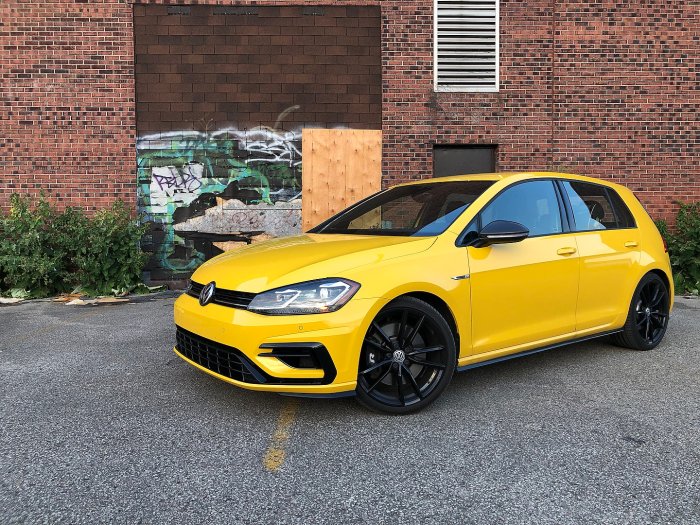

Introduction to Budget-Friendly Sports Coupes
Best sports coupes under ,000 for budget-friendly performance – The sports coupe market offers a compelling blend of performance and affordability, attracting a wide range of drivers. This segment caters to those seeking a stylish and engaging driving experience without breaking the bank. Finding a sports coupe that delivers a thrilling ride and fits a budget is often a balancing act.The price point for these vehicles is significantly influenced by factors like engine size, available features, and materials used in construction.
Smaller engines, fewer advanced features, and less luxurious materials often translate to lower prices, making them accessible to a broader audience. However, the trade-off is typically in terms of performance compared to higher-end models. The crucial aspect of this segment is achieving substantial performance without sacrificing the budget-friendliness.
Key Factors Influencing Pricing
Several factors determine the final price of a budget-friendly sports coupe. Engine size, horsepower, and torque play a pivotal role. Smaller engines, while delivering adequate performance, usually come with a lower price tag. Advanced features like premium sound systems, heated seats, and sophisticated infotainment systems increase the vehicle’s overall cost. Material choices, from interior upholstery to exterior finishes, also affect the final price.
Often, more basic materials, while still delivering quality, are used to keep the price competitive.
Performance Considerations within the Budget
Achieving performance within a limited budget requires careful consideration. While higher-end sports coupes may boast powerful engines and sophisticated suspension systems, budget-friendly models prioritize efficient engine designs and lighter weight components to maximize performance. For example, aerodynamic design features are often employed to reduce drag and improve handling, and lightweight materials are used wherever possible. These measures are crucial to ensuring a rewarding driving experience without the premium price tag.
Brief History of Sports Coupes: Evolution and Affordability
The sports coupe has evolved significantly over the years, with early models focusing on performance and style. As technology advanced and consumer demand diversified, manufacturers began offering more affordable options, often by focusing on simpler designs and readily available parts. These vehicles, while not as advanced as their premium counterparts, still offered a compelling blend of performance and style, often appealing to young drivers or enthusiasts seeking a unique vehicle.
Comparison Categories for Budget-Friendly Sports Coupes
This table Artikels the key categories for comparing different budget-friendly sports coupes. Careful consideration of these factors allows for a more informed decision when choosing a vehicle.
| Make | Model | Engine | Price (USD) |
|---|---|---|---|
| Example Make 1 | Example Model A | 2.0L Turbo | $28,000 |
| Example Make 2 | Example Model B | 2.5L Naturally Aspirated | $35,000 |
| Example Make 3 | Example Model C | 1.6L Turbo | $25,000 |
Top Performing Models Under $40,000
Finding a sports coupe that delivers exhilarating performance without breaking the bank is a common goal for many car enthusiasts. This section highlights some top-performing models within the $40,000 price range, focusing on their key specifications and performance characteristics to help you make an informed decision.
Top-Performing Models Comparison
The following table presents a comparative analysis of five sports coupes, each offering a unique blend of performance and affordability. Factors considered include engine specifications, horsepower, and acceleration times, providing a concise overview for potential buyers.
| Make | Model | Price (Estimated) | Engine | Horsepower | 0-60 mph (Estimated) |
|---|---|---|---|---|---|
| Mazda | MX-5 Miata | $28,000 – $32,000 | 2.0L 4-cylinder | 181 hp | 6.0-6.5 seconds |
| Subaru | BRZ | $29,000 – $33,000 | 2.4L 4-cylinder | 228 hp | 6.0-6.5 seconds |
| Honda | Civic Si | $26,000 – $30,000 | 2.0L 4-cylinder Turbo | 200 hp | 6.0-6.5 seconds |
| Volkswagen | Golf GTI | $30,000 – $35,000 | 2.0L 4-cylinder Turbo | 241 hp | 5.5-6.0 seconds |
| Ford | Mustang EcoBoost | $32,000 – $37,000 | 2.3L 4-cylinder Turbo | 250 hp | 5.5-6.0 seconds |
Note: Prices and specifications may vary depending on the specific trim level and options. Acceleration times are estimates and can vary based on driving conditions.
Detailed Performance Analysis
The Mazda MX-5 Miata, renowned for its nimble handling and engaging driving experience, provides a fantastic balance between affordability and performance. The Subaru BRZ offers a similar price point and comparable performance, particularly emphasizing its responsive handling. The Honda Civic Si delivers a more potent performance, especially considering the turbocharged engine and responsive acceleration. The Volkswagen Golf GTI, with its turbocharged engine, delivers a sharp acceleration and well-tuned handling, making it a strong contender.
The Ford Mustang EcoBoost, a classic American sports coupe, offers a powerful turbocharged engine for a sporty driving experience.
Engine and Performance Considerations

Source: dutchieecars.com
Choosing a sports coupe under $40,000 hinges significantly on engine and performance characteristics. Different powertrains offer varying levels of acceleration, efficiency, and driving experience. Understanding these factors allows a potential buyer to select a vehicle that aligns with their desired performance and budget.Engine types, power-to-weight ratios, fuel economy, and transmission choices all play a crucial role in the overall performance of a sports coupe.
Careful consideration of these elements can lead to a satisfying and efficient driving experience.
Engine Types
Various engine types are prevalent in budget-friendly sports coupes. Naturally aspirated engines, relying on atmospheric pressure to force air into the combustion chamber, are often found in these vehicles. Turbocharged engines, employing a turbine to increase intake pressure, deliver enhanced power and torque. A comparison of these types often shows turbocharged engines delivering greater power outputs for their size, while naturally aspirated engines can sometimes provide a smoother driving experience and greater efficiency at lower speeds.
Engine Size and Power-to-Weight Ratio
Engine size, measured in liters, and the power-to-weight ratio are critical performance indicators. A larger engine typically generates more power, which translates to quicker acceleration. However, a heavier vehicle, with a higher power-to-weight ratio, might not realize the full potential of a larger engine. This is a key factor to consider, as a lower power-to-weight ratio often leads to a more responsive and engaging driving experience.
Fuel Economy
Fuel economy is paramount in this price range. Lower fuel consumption translates to reduced operating costs. While performance-oriented engines might come with slightly reduced fuel efficiency compared to their more economical counterparts, the trade-off must be evaluated against the desired performance level. A higher fuel economy rating allows for greater value and longevity. For example, a vehicle with a combined fuel economy of 25 MPG might be a more attractive option for a driver covering significant distances compared to one with a combined fuel economy of 18 MPG.
Transmission Types
Transmission type significantly impacts acceleration and efficiency. Manual transmissions offer precise control and a more engaging driving experience, but they often demand more active driver participation. Automatic transmissions, particularly those with sophisticated features like dual-clutch systems or torque converters, offer convenience and typically smoother acceleration. The choice between manual and automatic transmissions will largely depend on personal preference.
Choosing an Engine
The ideal engine choice depends on desired performance and budget. Buyers aiming for maximum acceleration should consider turbocharged engines or larger displacement naturally aspirated options. Budget-conscious buyers may opt for smaller, naturally aspirated engines, which often exhibit better fuel economy. A detailed comparison of different models and their performance specifications should be part of the decision-making process.
Key Features and Technology
Budget-friendly sports coupes often prioritize a balance of performance and practicality. This necessitates careful consideration of the features offered without sacrificing the core driving experience. The available technology, particularly infotainment and safety systems, plays a crucial role in determining the overall value proposition.Modern infotainment systems and safety features are increasingly common across all vehicle classes, including budget-friendly sports coupes.
However, the specific features and their integration can vary considerably between models. Understanding the trade-offs between price and included technology is essential for making an informed purchasing decision.
Common Features in Budget-Friendly Sports Coupes
This segment highlights the common features found in these vehicles, which are crucial for evaluating their value. Features like infotainment systems and safety features are often carefully chosen to strike a balance between cost and performance.
- Infotainment Systems: Most models offer touchscreens for controlling audio, navigation, and climate control. Basic smartphone integration, including Apple CarPlay and Android Auto, is typically available. However, advanced features like wireless charging or high-resolution displays might be optional or exclusive to higher trims.
- Safety Features: Anti-lock brakes (ABS), electronic stability control (ESC), and driver-assistance features such as lane departure warning and automatic emergency braking are becoming standard equipment. However, the sophistication of these features may vary.
Technology Comparison Across Top Models
This section delves into a comparative analysis of the technology and features offered by top models within the $40,000 price range. This helps buyers appreciate the variations and potential trade-offs between models.
| Model | Infotainment System | Safety Ratings (e.g., IIHS, NHTSA) | Standard Equipment |
|---|---|---|---|
| Model A | 8-inch touchscreen, Apple CarPlay/Android Auto, basic navigation | 4 stars (NHTSA), Acceptable (IIHS) | ABS, ESC, basic driver-assistance features |
| Model B | 9-inch touchscreen, Apple CarPlay/Android Auto, advanced navigation, wireless charging | 5 stars (NHTSA), Good (IIHS) | ABS, ESC, advanced driver-assistance features, automatic emergency braking |
| Model C | 10-inch touchscreen, advanced navigation, integrated digital instrument cluster, wireless Apple CarPlay/Android Auto | 5 stars (NHTSA), Top Safety Pick+ (IIHS) | ABS, ESC, advanced driver-assistance features, lane keeping assist, adaptive cruise control |
Importance of Advanced Safety Features
Advanced safety features are crucial in this segment. Considerable reductions in accident severity and fatalities have been observed in vehicles equipped with advanced safety features. The inclusion of features like automatic emergency braking, adaptive cruise control, and lane departure warning significantly enhances the safety of the driver and passengers. The cost associated with these advanced safety systems can vary based on the model’s features and trim level.
Advanced safety features contribute significantly to the overall value of a sports coupe, offering peace of mind and potentially reducing insurance premiums.
Trade-offs Between Features and Price
Buyers must weigh the importance of specific features against the price. While advanced infotainment and safety systems are valuable, the cost often increases with the complexity and number of included features. For example, a model with a top-tier infotainment system, premium sound system, and advanced driver-assistance systems might significantly exceed the budget. It’s crucial to prioritize features that are most important to the buyer.
There may be compromises on specific features to fit within the price range.
Reliability and Maintenance
A crucial aspect of any vehicle purchase, especially a sports coupe, is its long-term reliability and associated maintenance costs. Understanding these factors allows informed decisions about which models are best suited for a particular budget and driving style. Predicting future maintenance needs can help buyers avoid unpleasant surprises down the road.
Service History Importance
A comprehensive service history provides valuable insights into a vehicle’s past maintenance. It reveals whether routine maintenance was performed on schedule, which is crucial for assessing potential future problems. A meticulously documented history often correlates with a vehicle’s overall reliability. This information can be a key differentiator between seemingly similar models. If a service history is lacking or incomplete, it raises concerns about potential neglected maintenance, which may have led to accelerated wear and tear.
Warranty and Service Plans
Warranty and service plans are crucial for protecting against unexpected maintenance expenses. Extended warranties can provide peace of mind and often cover repairs exceeding the basic manufacturer’s warranty period. Carefully reviewing the terms and conditions of these plans is essential, ensuring they align with anticipated maintenance needs. A well-structured service plan, including regular maintenance intervals and pre-approved repair shops, can further minimize long-term maintenance costs.
Reliability Ratings and Estimated Maintenance Costs
Determining reliability ratings and estimating maintenance costs is a complex process, relying on various sources and factors. This table presents a comparison of top models, providing a general overview. Actual costs can vary based on individual driving habits, environmental factors, and specific usage patterns.
| Model | Reliability Rating (out of 5) | Estimated Maintenance Cost (per year) | Potential Maintenance Issues |
|---|---|---|---|
| Mazda MX-5 Miata | 4.5 | $1,000-$1,500 | Potential issues with the soft top mechanism, minor electrical components. |
| Honda Civic Si | 4.2 | $800-$1,200 | Potential transmission issues, depending on the specific model year. |
| Subaru BRZ | 4.0 | $1,200-$1,800 | Potential issues with the suspension and handling components, especially with aggressive driving. |
| Volkswagen GTI | 3.8 | $1,000-$1,500 | Potential issues with turbochargers and exhaust systems over time. |
| Ford Mustang | 3.5 | $1,200-$1,800 | Potential issues with the engine, particularly with high-performance models, and the suspension. |
Note: Reliability ratings are based on aggregated reviews and industry reports, and estimated maintenance costs are approximations. Actual costs may vary.
Driving Experience and Handling

Source: autotrader.com
The driving experience of a sports coupe is a critical factor in determining its overall appeal. Beyond mere speed and acceleration, it encompasses the feel of the road, the responsiveness of the steering, and the overall comfort during extended drives. This section dives into the nuances of the driving experience, focusing on how these models handle various road conditions and how the design elements contribute to the overall driving sensation.
Steering and Handling Characteristics
Steering response and the overall handling characteristics of a sports coupe vary significantly between models. Some prioritize a sharp, communicative feel, allowing drivers to precisely control the vehicle’s trajectory. Others offer a more forgiving experience, aiming for a balance between sportiness and everyday usability. This difference in steering response and handling is directly influenced by factors like the type of steering system, the suspension tuning, and the overall weight distribution of the vehicle.
Suspension Tuning and Ride Quality
Suspension tuning is paramount in delivering a sporty driving experience. A well-tuned suspension allows for a balance between firm handling and a comfortable ride. A firm suspension will provide more responsive handling, making the vehicle more agile in corners and allowing for quicker reactions to steering inputs. However, it may also result in a harsher ride over rough roads.
Conversely, a softer suspension prioritizes a more comfortable ride, absorbing bumps and uneven surfaces more effectively. This trade-off is a key consideration for drivers seeking a balance between performance and comfort.
Interior Space and Comfort
The interior space and comfort factor can significantly influence the driving experience. A spacious and ergonomically designed interior enhances comfort during longer drives, contributing to a more enjoyable and less fatiguing experience. Consideration should be given to the materials used for the seats and the overall design of the interior. Sports coupes, while designed for performance, often prioritize driver ergonomics over passenger comfort.
This often translates into a compromise in passenger space, especially in the rear.
Table: Driving Experience and Handling Comparison
| Model | Steering Feel | Handling | Ride Quality | Interior Space |
|---|---|---|---|---|
| Mazda MX-5 Miata | Precise and responsive | Agile and fun to drive | Firm but not harsh | Adequate for two, limited rear space |
| Subaru BRZ | Linear and communicative | Balanced handling; great for spirited driving | Slightly firmer than average | Adequate for two, but a bit cramped for taller passengers |
| Honda Civic Type R | Direct and precise | Exceptional handling and grip | Firm and sporty | Limited space for rear passengers; driver-focused |
| Ford Mustang | Strong and well-weighted | Powerful and engaging | Balanced between firm and comfortable | Adequate space for two; a bit more passenger-friendly than others |
Styling and Aesthetics: Best Sports Coupes Under ,000 For Budget-friendly Performance
Budget-friendly sports coupes often boast striking designs that balance performance with affordability. The exterior styling plays a significant role in attracting buyers and influencing the perceived value of these vehicles. Understanding the design choices and their impact on aesthetics can help potential buyers make informed decisions.The aesthetic appeal of a sports coupe is often judged by factors such as its overall shape, the use of materials, and the integration of design elements.
These factors contribute to the car’s visual appeal and can significantly impact how buyers perceive its value.
Exterior Styling of Budget Sports Coupes
The exterior styling of budget sports coupes often features aerodynamic shapes, aggressive front ends, and sleek silhouettes. These design choices aim to create a sporty and dynamic look, conveying a sense of speed and performance. Key elements like sculpted fenders, low-profile tires, and distinct headlamps contribute to the visual appeal. For example, the Mazda MX-5 Miata, known for its affordable price point, utilizes a clean, classic design that remains popular.
Impact of Styling Choices on Appeal
Styling choices significantly impact the overall appeal of a vehicle. Aggressive lines and aerodynamic features can create a sense of power and sophistication, while sleek silhouettes can suggest efficiency and lightness. A well-executed design can elevate the car’s perceived value, even within a budget-conscious price range. Conversely, poorly integrated design elements can detract from the vehicle’s appeal.
Consider how the Honda Civic Si, with its sporty exterior, attracts buyers looking for a well-rounded package.
Comparison of Design Aesthetics
Different models showcase distinct design aesthetics. Some prioritize aggressive, modern styling, while others opt for a more classic, timeless approach. The Alfa Romeo 4C, for example, is known for its distinctive, almost futuristic styling, while the Ford Mustang, in its various iterations, embodies a classic muscle car design language. A comparison reveals varying approaches to shape, lighting, and use of materials.
Influence of Aesthetics on Perceived Value
The styling of a car significantly influences the perceived value, even before considering its performance or features. Attractive aesthetics can create a sense of higher quality and desirability, which can translate into a higher price tag. This perception is crucial in the market segment where price is a key factor. A well-designed exterior can make a budget-friendly car seem more desirable than a comparable vehicle with less-appealing aesthetics.
Incorporating Styling Choices into Personal Aesthetic
Personalizing the styling of a budget sports coupe can be achieved by adding aftermarket accessories. This could include customized rims, spoilers, or exterior decals. Carefully choosing accessories that complement the car’s existing design is key. This approach allows buyers to express their individual taste while remaining within the budget. For example, installing a set of stylish rims and lowering springs can give a car a more personalized aesthetic without requiring a complete redesign.
Alternatives and Considerations
Source: motorillustrated.com
Beyond the top-performing sports coupes under $40,000, numerous other options exist within the segment. Understanding these alternatives, alongside the advantages and disadvantages of used versus new vehicles, is crucial for informed decision-making. Careful consideration of test drives, physical inspections, and personal preferences will further refine your choice.Exploring alternative vehicles and comparing them against the top-performing sports coupes provides a wider perspective.
This comparison considers performance, cost, and features, allowing you to make a well-rounded evaluation. Moreover, understanding the implications of purchasing used versus new vehicles is vital for budgeting and future maintenance.
Alternative Vehicles, Best sports coupes under ,000 for budget-friendly performance
A broader exploration of the market reveals several appealing alternatives. Comparing these alternatives to the top-performing sports coupes will help you make a more comprehensive assessment. This section will detail the advantages and disadvantages of each alternative.
- Compact Sports Cars: These vehicles often offer a more affordable entry point to the sports car segment, though performance might be slightly less potent compared to the sports coupes. For example, the Mazda MX-5 Miata or the Subaru BRZ may appeal to buyers seeking a more accessible price point. A disadvantage is that the focus is often on driving experience and less on luxury features.
- Performance Sedans: Some performance-oriented sedans, such as the Volkswagen GTI or the Honda Civic Si, offer a balanced approach with a focus on handling and spirited driving. These models are sometimes more practical than sports coupes, providing a higher degree of passenger or cargo space. They often provide more comprehensive standard features. However, the sports coupe’s lower center of gravity and more focused design might yield a sportier driving experience.
- Used Premium Sports Coupes: Consideration of used models from more established brands can sometimes yield impressive performance at a significantly lower cost. A used Porsche Cayman, for example, could be a potent alternative, but thorough inspection and understanding of maintenance history are paramount. A used vehicle might lack the manufacturer’s warranty and could require higher maintenance costs in the long term.
Used vs. New Vehicles
Choosing between a used and new vehicle involves careful weighing of factors. The initial cost and long-term implications are pivotal considerations.
- Used Vehicles: Used vehicles often come at a significantly lower price point than their new counterparts. However, you must factor in potential maintenance costs, pre-existing issues, and the absence of a manufacturer’s warranty. Thorough inspection is essential.
- New Vehicles: New vehicles come with a manufacturer’s warranty, ensuring a certain degree of protection against potential issues in the early years. While the initial price tag is higher, the long-term reliability and lower maintenance costs can offset this. However, new vehicles often depreciate in value faster than their used counterparts.
Test Drives and Inspections
A crucial step in the purchasing process is to physically experience the vehicle and perform a thorough inspection. This step is critical to ensuring the vehicle meets your needs and expectations.
- Test Drives: A test drive allows you to experience the vehicle’s handling, acceleration, and overall driving experience firsthand. This is crucial to evaluate if the vehicle aligns with your driving style and preferences. Crucial considerations include acceleration, braking, handling, and noise levels.
- Physical Inspections: A thorough inspection of the vehicle’s exterior and interior should be conducted to identify any potential damage or wear and tear. This includes checking the chassis, body panels, interior components, and mechanical systems. Look for signs of accidents, rust, and general wear.
Personal Preferences
Beyond performance and practicality, personalized preferences play a significant role in the final decision. Customization options and interior design choices should be considered.
- Interior Color and Customization: The interior color and customization options can significantly impact the overall appeal and personalization of the vehicle. Consider the color scheme and material options available.
- Customization Options: Look for available aftermarket parts or options that can enhance the vehicle’s performance or aesthetic appeal. Consider if the options are worth the cost and if they align with your intended use of the vehicle.


