

Defining High-Performance Handling
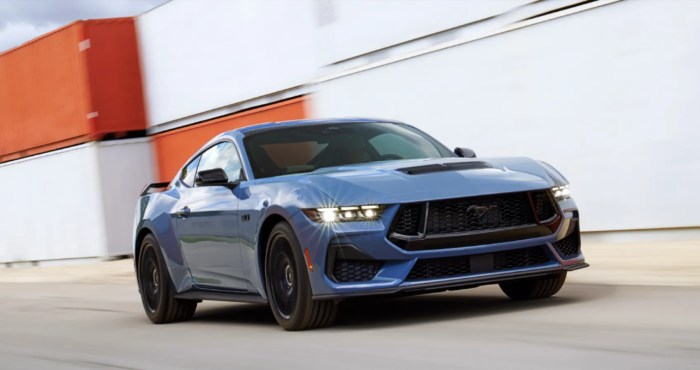
Source: hotcarsimages.com
High-performance sports cars with exceptional handling – High-performance sports cars are renowned for their exceptional handling capabilities. This translates to a thrilling driving experience, enabling drivers to confidently navigate challenging roads and corners with precision. Beyond raw power, these vehicles demonstrate masterful control and responsiveness.Exceptional handling in sports cars is not simply about speed; it’s a multifaceted interplay of several key characteristics. These include precise steering response, predictable and controlled braking performance, smooth acceleration, and remarkable stability under various conditions.
Understanding the intricate interplay of these elements is crucial for appreciating the sophisticated engineering that underpins these vehicles.
Cornering Performance
Precise cornering is a hallmark of high-performance sports cars. This involves a seamless transition through turns, with minimal body roll and a predictable path. Drivers expect immediate steering response, allowing for adjustments and corrections as needed. Advanced suspension systems and precise weight distribution play a critical role in achieving this.
Braking Performance
Effective braking is paramount in high-performance cars. This is not just about stopping power, but also about control and modulation. High-performance braking systems, with larger rotors and high-performance brake pads, enable drivers to confidently and precisely apply the brakes without compromising stability.
Acceleration and Power Delivery
The responsiveness and smoothness of acceleration are vital aspects of high-performance handling. A high-performance engine, paired with a well-tuned transmission, provides linear power delivery that allows for controlled acceleration and confident maneuvers.
Stability and Control
Exceptional stability is essential in high-performance cars. This involves maintaining control under varying conditions, including cornering at high speeds, aggressive braking, and acceleration. The interplay of chassis components, tires, and aerodynamic design contributes to this stability. For example, cars with active suspension systems can adjust to road conditions, maintaining a stable and controlled ride.
Advanced Handling Technologies
Advanced technologies contribute significantly to the handling prowess of high-performance sports cars. These technologies enhance performance across multiple aspects of handling.
- Advanced Suspension Systems: Sophisticated suspension systems, such as adaptive dampers, allow for dynamic adjustments to changing road conditions. This translates to a comfortable ride and enhanced handling, even on rough terrain. For example, adaptive dampers can adjust in milliseconds, optimizing performance for various driving styles and road conditions.
- Torque Vectoring: Torque vectoring systems strategically distribute engine torque to the wheels, optimizing traction and enhancing stability, especially during cornering. This results in a more precise and predictable handling experience. For example, during cornering, torque vectoring can adjust the torque to the inside wheels, reducing the tendency to oversteer or understeer.
- Electronic Stability Control (ESC): Electronic stability control systems prevent wheel spin and maintain vehicle stability under challenging conditions. This active safety feature plays a vital role in preventing accidents by intervening in critical situations.
Suspension System Comparison
Different suspension systems affect handling characteristics in distinct ways.
| Suspension Type | Description | Impact on Handling |
|---|---|---|
| Independent | Each wheel is independently suspended, allowing for greater flexibility and control. | Improved cornering performance, reduced body roll, and enhanced responsiveness. |
| Multi-link | Uses multiple links to connect the suspension components, offering greater precision and control. | Excellent stability and handling precision, especially at high speeds. |
| Solid Axle | A rigid axle connects the wheels, which is simpler but less precise. | Generally less responsive and more prone to body roll, compared to independent systems. |
Performance Metrics and Specifications

Source: hotcarsimages.com
High-performance sports cars are meticulously engineered to deliver exhilarating driving experiences. Beyond the aesthetic appeal and sophisticated design, precise performance metrics underpin their exhilarating capabilities. These metrics, including acceleration, top speed, and braking distance, are crucial for understanding and comparing the capabilities of different models. A deeper analysis reveals the vital role of power-to-weight ratio in shaping handling characteristics.Understanding these metrics allows enthusiasts and potential buyers to objectively assess a car’s capabilities and choose the model best suited to their driving needs and preferences.
Factors like power delivery, chassis rigidity, and aerodynamic efficiency significantly influence performance, all of which contribute to the overall driving experience.
Crucial Performance Metrics
Key performance metrics are essential for evaluating a high-performance sports car. These metrics encompass acceleration, top speed, and braking, providing a comprehensive understanding of the vehicle’s dynamic capabilities. Acceleration times, from 0 to 60 mph, are a critical indicator of a car’s ability to rapidly gain speed. Top speed, the theoretical maximum velocity, reveals the car’s potential for sustained high-speed performance.
Braking distance, reflecting the car’s ability to decelerate effectively, is also a crucial safety consideration.
Power-to-Weight Ratio and Handling
The power-to-weight ratio, calculated by dividing the car’s power output by its weight, directly impacts handling characteristics. A higher power-to-weight ratio generally translates to quicker acceleration, superior responsiveness, and enhanced handling agility. This metric is crucial in determining how effectively a sports car can translate power into dynamic performance on the road.
Comparison of Performance Metrics Across Models
Different high-performance sports cars exhibit varying performance characteristics. Some models excel in acceleration, while others are renowned for their top speed. A comparative analysis of performance metrics across different models provides insights into the strengths and weaknesses of each vehicle.
Performance Figures of High-Performance Sports Cars
| Model | 0-60 mph (seconds) | Top Speed (mph) |
|---|---|---|
| Lamborghini Aventador SVJ | 2.5 | 217 |
| McLaren 720S | 2.8 | 212 |
| Porsche 911 GT2 RS | 2.7 | 211 |
| Ferrari 812 Superfast | 2.9 | 211 |
| Pagani Huayra BC | 2.4 | 238 |
This table showcases a small sample of high-performance sports cars and their respective performance figures. Note that these figures can vary based on specific configurations and testing conditions. Variations in tire specifications, aerodynamic features, and even the specific test environment can affect these measurements.
Design and Engineering Considerations
Exceptional handling in high-performance sports cars is a complex interplay of meticulously engineered components. Careful consideration of chassis design, aerodynamics, tire technology, weight distribution, and the integration of advanced driver-assistance systems are paramount to achieving the desired performance characteristics. These factors, when harmonized, result in a vehicle capable of precise control and responsiveness under demanding conditions.
Chassis Design Principles
Chassis design profoundly impacts a vehicle’s handling prowess. The fundamental choice between monocoque and spaceframe structures dictates the stiffness, strength, and overall weight of the vehicle. Monocoque designs, often employing composite materials, offer a lightweight yet robust platform. Spaceframe structures, utilizing a network of tubes or beams, excel in providing high torsional rigidity, though at a higher weight.
The choice hinges on achieving the optimal balance between strength, stiffness, and weight.
Aerodynamic Optimization
Aerodynamics play a critical role in high-performance handling. Precisely sculpted body panels and carefully considered underbody designs minimize drag and maximize downforce. Downforce, the aerodynamic force pressing the vehicle to the road, enhances grip and stability at high speeds and during aggressive maneuvers. Aerodynamic enhancements, such as spoilers and diffusers, are strategically integrated to maintain stability under high-performance conditions.
The effectiveness of these features is measured by wind tunnel testing, which simulates real-world conditions.
Tire Technology
Tire technology is an integral component of handling performance. High-performance tires boast specialized compounds and tread patterns designed for optimal grip and responsiveness. The tire’s contact patch is crucial for transferring power to the road and maintaining control during rapid acceleration and braking. Advanced tire designs incorporate innovative materials and construction techniques to achieve superior handling characteristics, allowing for precise steering and maintaining traction under dynamic driving conditions.
Weight Distribution and Center of Gravity
Weight distribution and center of gravity significantly affect handling. Optimizing the placement of the engine, transmission, and other components is essential for achieving a balanced weight distribution. A lower center of gravity improves stability and responsiveness, reducing the risk of body roll during cornering. Manufacturers meticulously calculate and fine-tune these parameters to create a balanced and responsive vehicle.
Advanced Driver-Assistance Systems (ADAS)
Advanced driver-assistance systems (ADAS) are increasingly integrated into high-performance sports cars to enhance handling and safety. Systems like electronic stability control (ESC) and traction control intervene to maintain vehicle stability under challenging driving conditions, preventing loss of control. Adaptive cruise control and lane keeping assist systems contribute to safer and more controlled driving experiences. The effectiveness of ADAS is demonstrated through rigorous testing and validation across a variety of driving conditions.
Comparison of Chassis Designs
| Chassis Design | Impact on Handling |
|---|---|
| Monocoque | Generally lighter, offering a more agile and responsive handling experience, often with a lower center of gravity, thus enhancing stability. |
| Spaceframe | Typically exhibits higher torsional rigidity, leading to enhanced stability and precision during high-performance driving, though generally heavier than monocoque designs. |
Examples of High-Performance Sports Cars
High-performance sports cars are renowned for their exceptional handling, a result of meticulous design and engineering. These vehicles push the boundaries of automotive technology, offering exhilarating driving experiences. This section will delve into specific examples, highlighting their unique characteristics and the technological advancements that contribute to their remarkable handling prowess.
Specific Models and Their Handling Characteristics
Several high-performance sports cars exemplify exceptional handling. These vehicles showcase the meticulous attention to detail in their design, emphasizing attributes like precise steering response, controlled body roll, and responsive braking.
Design Features Contributing to Exceptional Handling
The design features of high-performance sports cars significantly impact their handling capabilities. Lightweight construction, often utilizing advanced materials like carbon fiber, is a crucial factor in achieving rapid acceleration and precise maneuvering. Aerodynamic designs, with carefully shaped body panels and spoilers, optimize downforce, enhancing stability at high speeds. Advanced suspension systems, employing specific spring and damper configurations, provide controlled body movement, improving cornering precision.
Moreover, precise steering mechanisms and powerful braking systems are essential for responsive and controlled handling.
Comparison of Handling Characteristics
Comparing the handling characteristics of two prominent sports car models, such as the Porsche 911 and the Lamborghini Aventador, reveals distinct approaches to achieving exceptional handling. The Porsche 911, known for its precise steering and agile handling, emphasizes a balance of power and responsiveness, making it ideal for spirited driving on various terrains. The Lamborghini Aventador, on the other hand, prioritizes raw power and performance, with a more aggressive handling style.
This translates to a distinct driving experience, characterized by powerful acceleration and handling that leans towards a more exhilarating, high-speed experience.
Table of High-Performance Sports Cars and Key Handling Features
| Model | Key Handling Features |
|---|---|
| Porsche 911 (992 generation) | Precise steering, responsive handling, well-balanced power delivery, advanced chassis technology, lightweight construction |
| Lamborghini Aventador | Powerful acceleration, aggressive handling style, advanced suspension, aerodynamic design, potent braking system |
| McLaren 720S | High-speed stability, precise steering response, advanced aerodynamics, exceptional braking, lightweight construction |
| Ferrari 812 Superfast | Exceptional acceleration, precise handling, refined chassis, powerful braking, aerodynamic design |
| BMW M3 Competition | Precise steering, responsive handling, powerful engine, advanced chassis, high-performance braking |
Driving Experience and Feedback
The driving experience is a critical aspect of high-performance sports cars, transcending mere performance metrics. It encompasses the intricate interplay of vehicle dynamics, driver input, and the overall sensory feedback the driver receives. This section delves into the nuances of this experience, highlighting the crucial role of driver feedback in the development process.The ultimate goal of high-performance sports car development is to create a car that feels intuitive and rewarding to drive.
This is achieved through a meticulous balance of power delivery, handling characteristics, and sensory feedback. The driver’s perception of these elements shapes the overall experience, and their input is invaluable in refining the vehicle.
Driver Input and Feedback in Vehicle Development
Driver input is essential for optimizing the handling characteristics of a high-performance sports car. Thorough testing procedures, often involving professional drivers and experienced enthusiasts, provide valuable insights into the vehicle’s responsiveness, steering feel, and overall driving dynamics. Their feedback, whether quantitative or qualitative, is meticulously analyzed to identify areas for improvement and refinement. This iterative process ensures the vehicle meets the desired balance of performance and driving enjoyment.
Furthermore, detailed feedback logs and data analysis help engineers understand the driver’s experience, leading to incremental improvements in the vehicle’s design.
Factors Influencing the Overall Driving Experience, High-performance sports cars with exceptional handling
Several key factors contribute to the exceptional driving experience associated with high-performance sports cars. Steering feel, a crucial aspect, should be communicative, providing the driver with clear feedback about the road and the car’s response to steering inputs. Responsiveness, another vital element, dictates how quickly the vehicle reacts to driver commands. A responsive car feels agile and allows the driver to maintain precise control.
Finally, feedback encompasses all the sensory inputs the driver receives: the sound of the engine, the tactile feel of the steering wheel, and the overall responsiveness of the vehicle. These combined factors form a cohesive and rewarding driving experience.
Key Driving Characteristics of High-Performance Sports Cars
The driving characteristics of high-performance sports cars vary significantly depending on the manufacturer’s design philosophy and target market. A well-rounded comparison requires considering multiple attributes.
| Model | Steering Feel | Responsiveness | Feedback | Overall Driving Experience |
|---|---|---|---|---|
| Porsche 911 (992) | Precise and communicative, with a weighted feel | Immediate and linear response to inputs | Excellent feedback from the steering wheel, engine, and suspension | Exhilarating and rewarding, emphasizing precision and control |
| Lamborghini Aventador | Direct and powerful, with a strong sense of connection | Immediate and aggressive acceleration, with responsive handling | High-pitched engine roar, substantial feedback from the road | Uncompromising performance, focused on raw power and exhilaration |
| McLaren 720S | Precise and communicative, with a light but controlled feel | Incredibly quick and responsive to steering inputs | Intense feedback from the engine, steering, and chassis | Exhilarating, emphasizing agility and track-focused performance |
Evolution of High-Performance Handling: High-performance Sports Cars With Exceptional Handling
The pursuit of enhanced handling in high-performance sports cars is a continuous evolution, driven by advancements in materials, engineering, and design. Early models laid the groundwork, but subsequent generations have pushed the boundaries of what’s possible, often incorporating innovative solutions to achieve superior performance and driver engagement. This evolution reflects a deep understanding of vehicle dynamics and a relentless drive for faster, more precise, and more engaging driving experiences.The evolution of high-performance handling in sports cars is a fascinating journey, reflecting the constant interplay between engineering innovation and driver demands.
Initially, handling was largely determined by chassis rigidity, tire technology, and suspension design. Over time, an intricate interplay of aerodynamic efficiency, electronic control systems, and advanced materials has revolutionized the experience, resulting in cars that can corner with exceptional precision and stability.
Early Milestones in Handling Development
Early high-performance sports cars prioritized lightweight construction and powerful engines. Chassis designs focused on rigidity to maintain stability during high-speed maneuvers. However, the lack of advanced electronic controls and sophisticated suspension systems limited the cars’ ability to handle a variety of road conditions. Tire technology was also less advanced, which limited grip and maneuverability.
Advancements in Chassis Technology
Chassis design has been pivotal in improving handling characteristics. The introduction of advanced materials like carbon fiber and high-strength steel has led to lighter, stiffer chassis structures, reducing unsprung mass and improving responsiveness. Sophisticated suspension systems, incorporating adjustable dampers and optimized spring rates, have allowed for a fine-tuning of ride comfort and handling prowess.
Role of Tire Technology
Tire technology has seen significant advancement, with improvements in tread patterns, compound materials, and sidewall construction. These advancements have significantly enhanced grip and responsiveness, enabling high-performance cars to achieve greater cornering speeds and maintain stability under challenging conditions. High-performance tires have evolved from their early counterparts to incorporate advanced technologies, enabling drivers to exploit the full potential of the car’s handling capabilities.
Electronic Control Systems
Electronic control systems, such as traction control and stability control, have dramatically improved the safety and handling of high-performance sports cars. These systems provide real-time adjustments to vehicle dynamics, preventing wheelspin and maintaining stability during aggressive maneuvers. The advent of electronic control systems has redefined driver confidence and safety, allowing for the exploration of higher levels of performance.
Aerodynamic Design Improvements
Aerodynamic efficiency plays a critical role in handling, particularly at high speeds. Advancements in aerodynamic design, including the use of spoilers, diffusers, and optimized body shapes, have significantly reduced lift and drag, resulting in improved stability and cornering performance. Efficient aerodynamic design minimizes lift forces and drag, improving handling and stability.
Timeline of Key Milestones in High-Performance Handling
| Year | Milestone | Description |
|---|---|---|
| 1960s | Early Lightweight Chassis | Emphasis on lightweight materials and rigid chassis structures. |
| 1970s | Improved Suspension Systems | Development of adjustable dampers and optimized spring rates. |
| 1980s | Advanced Tire Compounds | Significant advancements in tire tread patterns, compounds, and sidewall construction. |
| 1990s | Electronic Control Systems | Introduction of traction and stability control systems. |
| 2000s | Aerodynamic Refinements | Sophisticated aerodynamic designs incorporating spoilers, diffusers, and optimized body shapes. |
| 2010s-Present | Hyper-Advanced Materials | Wide adoption of carbon fiber and advanced composites, leading to significant weight reduction and enhanced stiffness. |
Future Trends in High-Performance Handling

Source: hotcarsimages.com
The evolution of high-performance sports cars is a continuous process of pushing boundaries, driven by advancements in technology and engineering. Future developments will likely prioritize enhanced driver engagement, improved safety features, and a seamless integration of technology. This necessitates a forward-thinking approach to materials, design, and control systems.The future of high-performance handling will be defined by a convergence of cutting-edge technologies, aimed at creating vehicles that are both exhilarating to drive and safer to operate.
These advancements will build upon the existing foundations of performance and handling, while incorporating innovations to meet evolving driver expectations and safety standards.
Predicted Future Advancements in Materials and Technologies
Advancements in materials and technologies are crucial to achieving improved performance and handling in future high-performance sports cars. Lightweight, high-strength materials will be paramount in reducing weight while maintaining structural integrity. Composite materials, such as carbon fiber reinforced polymers (CFRP), will likely play an increasingly important role, enabling engineers to optimize weight distribution and structural stiffness. Furthermore, the integration of advanced alloys and smart materials will be essential for achieving greater responsiveness and precision in handling.
Active Chassis Control Systems
Sophisticated active chassis control systems will be instrumental in fine-tuning the handling characteristics of future models. These systems will employ advanced sensors and actuators to react to real-time road conditions and driver input, providing a level of control and precision not previously achievable. Examples include adaptive dampers, active anti-roll bars, and electronically controlled suspensions. These systems will contribute to a seamless and dynamic driving experience, irrespective of the road surface.
Integration of Autonomous and Semi-Autonomous Systems
Future high-performance cars are likely to incorporate advanced autonomous and semi-autonomous systems to enhance safety and performance. These systems will be integrated into the vehicle’s active safety systems, providing real-time feedback and support to the driver. For example, sophisticated traction control systems will anticipate potential loss of traction, applying the brakes and adjusting power delivery to maintain stability and control.
Predicted Future Advancements in High-Performance Sports Car Handling
| Advancement | Description | Impact |
|---|---|---|
| Adaptive Chassis Control Systems | Sophisticated systems using real-time data to adjust suspension, steering, and braking to optimize handling. | Enhanced handling precision, responsiveness, and stability on various road surfaces. |
| Lightweight Materials | Increased use of carbon fiber and other high-strength, low-weight materials for vehicle body construction. | Improved performance and handling by reducing vehicle mass. |
| Autonomous/Semi-Autonomous Systems | Integration of driver-assistance features that actively enhance safety and performance. | Enhanced safety and driver experience, potentially enabling higher speeds and more complex maneuvers. |
| Advanced Aerodynamics | Continuously evolving aerodynamic design to improve downforce, stability, and fuel efficiency. | Improved high-speed stability, cornering performance, and vehicle efficiency. |

