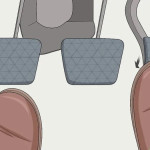
Understanding the Manual Transmission
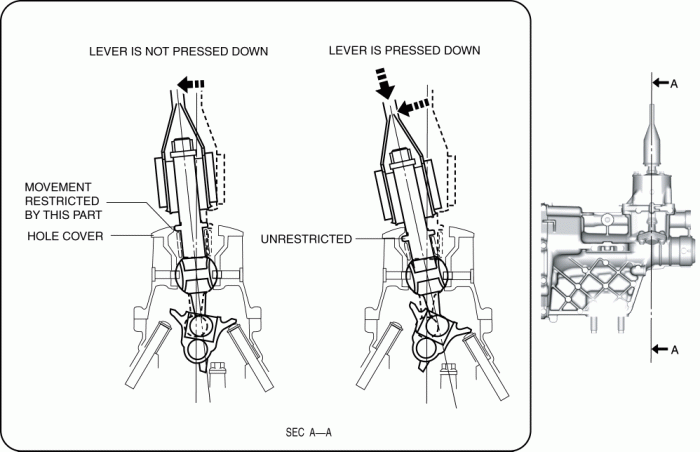
Source: hexorcism.com
How to shift a manual transmission in reverse effectively – A manual transmission, often called a stick shift, is a crucial part of a car’s drivetrain. It allows the driver to directly control the power flow to the wheels, providing a sense of connection and control not found in automatic transmissions. Understanding its components and operation is essential for smooth and efficient driving.The manual transmission is a complex system of gears, shafts, and linkages that precisely manage the relationship between the engine’s power and the wheels.
The gear selector and clutch are the primary components the driver interacts with to shift gears and control the power flow. This section will detail the function of these components, different gear positions, and the physical layout of a manual transmission.
Gear Positions and Functions
Proper gear selection is critical for safe and efficient driving. Each gear position corresponds to a specific speed ratio, influencing the engine’s speed relative to the wheels’ speed. The table below summarizes the functions of different gears, including the critical reverse gear.
| Gear Position | Function | Lever Position | Clutch Position |
|---|---|---|---|
| Neutral | Engine disengaged from transmission; allows the car to be moved by hand (pushing or pulling) without the engine’s power. | Centre position | Fully depressed |
| Reverse | Allows the car to move backward. | Specific position, usually towards the back of the selector | Fully depressed |
| 1st (First) | Provides the lowest gear ratio, enabling the vehicle to move from a standstill. High torque for low speed. | Specific position on the lever | Fully depressed |
| 2nd | Higher gear ratio than 1st, suitable for slightly higher speeds. | Specific position on the lever | Fully depressed |
| 3rd | Higher gear ratio than 2nd, suitable for intermediate speeds. | Specific position on the lever | Fully depressed |
| 4th | Higher gear ratio than 3rd, suitable for higher speeds. | Specific position on the lever | Fully depressed |
| 5th (and higher) | Even higher gear ratios, providing higher speeds with less engine load. These gears are used for highway driving, maximizing fuel efficiency. | Specific position on the lever | Fully depressed |
Manual Transmission Components
The manual transmission houses several critical components. The gear selector is the lever that controls the engagement of different gear ratios. The clutch, a critical component, is used to disengage the engine from the transmission, allowing the driver to change gears smoothly.The gear selector lever, typically located on the steering column or the center console, is a crucial component of the transmission.
It is designed to allow the driver to select various gear positions. The clutch pedal, positioned on the driver’s side of the vehicle, is used to control the connection between the engine and transmission.
Physical Layout and Lever Position
The layout of the manual transmission varies slightly between vehicles. However, the general principle remains the same. The reverse gear lever is often positioned on the opposite side of the neutral position.
Hand Position and Grip
A proper hand position and grip on the gear shift lever are crucial for smooth gear changes and prevent accidental shifts. The grip should be firm yet flexible, allowing the driver to shift gears smoothly and quickly. The grip should be firm but not tense. The dominant hand should have a secure grip on the lever, ensuring smooth and controlled shifts.
The other hand should be positioned in a supporting role, for instance, on the steering wheel or gear selector, to maintain control of the vehicle.
Preparing for the Shift
Proper clutch control is paramount for a smooth and efficient shift into reverse, as well as any gear. A controlled clutch operation minimizes wear on the transmission components and prevents jerky movements, ensuring a comfortable and safe driving experience. This section details the essential steps to prepare your vehicle for a seamless reverse gear engagement.
Importance of Smooth Clutch Operation
Effective clutch control is crucial for minimizing wear and tear on the transmission. Gradual engagement and disengagement of the clutch prevents jarring shifts, contributing to a more comfortable and safer driving experience. It also prolongs the life of the clutch and related components. Consistent clutch operation is fundamental to mastering manual transmission driving.
Preparing the Vehicle for Reverse
Before attempting to shift into reverse, ensure the vehicle is completely stopped. Improper stopping can lead to unintended movement, potentially causing accidents or damage. Apply the parking brake firmly for added security, and then depress the clutch pedal to disengage the engine from the transmission.
Stopping the Vehicle Correctly
Stopping the vehicle properly before engaging reverse gear is critical for safety. Reduce speed gradually before the intended stopping point, and use consistent braking pressure to maintain control. Avoid sudden braking, as this can lead to loss of traction and potential skidding. Once stopped, engage the parking brake to prevent rolling.
Finding the Right RPM Range
Identifying the ideal RPM range for a smooth reverse shift is important. For optimal performance, aim for a lower RPM range. This reduces the load on the transmission during the gear change. A lower RPM range ensures smoother shifting and prevents harsh engagement. For example, if you’re shifting from a higher gear into reverse at a higher RPM, the shift might be more jarring.
Clutch Engagement Points for Different Shifting Scenarios
The required clutch engagement point varies depending on the driving situation and the gear change. In general, for a smooth reverse shift, you should gradually depress the clutch, allowing the vehicle to slow to a complete stop before releasing the clutch completely. This helps prevent any jolts or unexpected movements. For example, a lower speed scenario will require less clutch engagement than a higher speed scenario.
Step-by-Step Procedure for Shifting into Reverse
- Ensure the vehicle is completely stopped and the parking brake is engaged.
- Depress the clutch pedal fully to disengage the engine from the transmission.
- Select reverse gear using the gear shift lever. Ensure the shift lever is firmly placed in the reverse position.
- Slowly release the clutch pedal, gradually allowing the engine to re-engage with the transmission. Monitor the vehicle for any unexpected movement.
- Maintain smooth clutch engagement to prevent jarring movements.
- Release the parking brake gradually after the vehicle has fully started moving in reverse. Be vigilant in checking your surroundings.
Executing the Shift to Reverse
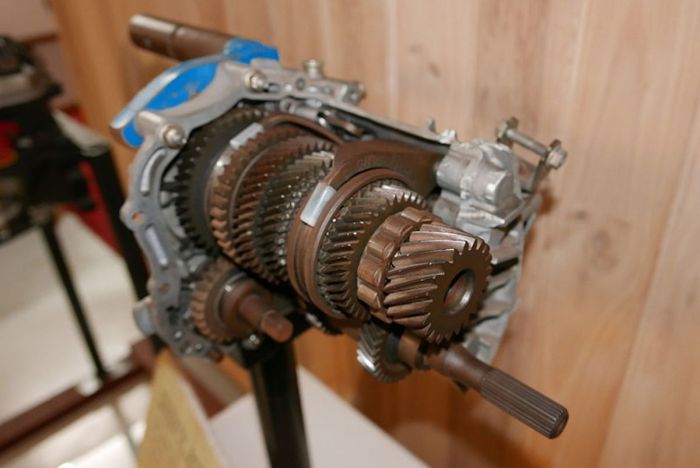
Source: saymedia-content.com
Mastering the art of shifting into reverse smoothly and efficiently is crucial for safe and controlled driving. A precise and gradual engagement of the clutch, combined with the correct gear selection, minimizes strain on the transmission and prevents jarring movements. This section details the exact sequence required for a seamless reverse shift in a manual transmission vehicle.
Shifting Procedure to Reverse
Proper execution of a reverse shift relies on a systematic approach. A well-practiced sequence minimizes the risk of damaging the transmission and ensures a comfortable driving experience. The following table Artikels the step-by-step process.
| Step | Action | Clutch Position | Gear Position |
|---|---|---|---|
| 1 | Depress the clutch pedal completely. | Fully Depressed | Neutral |
| 2 | Shift the gear lever to the reverse position. | Fully Depressed | Reverse |
| 3 | Gradually release the clutch pedal. | Gradual Release | Reverse |
| 4 | Maintain a gentle pressure on the clutch pedal until the vehicle begins to move. | Slight Pressure | Reverse |
Clutch Engagement in Reverse Shifts
The clutch plays a pivotal role in the smoothness of a reverse shift. Gradual engagement of the clutch prevents the transmission from experiencing abrupt shocks or strains, thereby preserving the lifespan of the vehicle’s transmission. The transmission should not be subjected to sudden shifts in load. A smooth release allows for a controlled transition between gears. It’s essential to remember that a sudden release of the clutch can lead to a jarring and potentially damaging shift.
Feel and Sound of a Smooth Shift
A smooth reverse shift is characterized by a subtle, almost imperceptible transition. The vehicle should respond smoothly to the gear change without any noticeable hesitation or jolts. The sound accompanying a smooth shift is generally quiet and consistent with the engine’s operation, without any grinding or unusual noises.
Difference Between Smooth and Rough Reverse Shifts
A smooth reverse shift is characterized by a subtle transition and a quiet operation. In contrast, a rough reverse shift often involves a noticeable jerk or shudder, along with potentially loud noises from the transmission. A rough shift suggests improper clutch engagement or a potentially faulty component within the transmission. Regular maintenance can prevent rough shifts.
Correct Clutch Release After Engaging Reverse
After successfully engaging reverse gear, carefully release the clutch pedal gradually. Continue monitoring the vehicle’s response. Avoid releasing the clutch too quickly, as this could lead to the vehicle stalling or struggling to move. A gradual release allows for a controlled transition to motion. The vehicle should begin to move smoothly in reverse, without any jerky or rough movements.
Post-Shift Procedures: How To Shift A Manual Transmission In Reverse Effectively

Source: dealerfire.com
Following a successful reverse shift, proper post-shift procedures are crucial for a smooth and safe transition. These steps ensure the vehicle is properly prepared for maneuvering and that the driver is aware of the surroundings. Effective clutch disengagement and mindful environmental checks are essential components of a safe reverse operation.Proper clutch disengagement, alongside a thorough check of the surroundings, is vital to avoid potential accidents or mechanical issues.
Understanding the potential problems and how to troubleshoot them is key to becoming a more confident and capable driver. This section will detail these critical post-shift procedures, offering insights into maintaining control and safety while operating a manual transmission vehicle.
Clutch Disengagement Technique, How to shift a manual transmission in reverse effectively
After smoothly engaging reverse, the clutch needs to be released slowly and steadily. A gradual disengagement prevents jerking or stalling, maintaining vehicle control. Rapid disengagement can cause the vehicle to lurch forward or backward, potentially leading to an accident. It is crucial to match the speed of clutch release to the vehicle’s speed and the surrounding conditions.
For example, in a low-speed, congested area, a slower disengagement is preferred to prevent unwanted movement.
Vehicle Check After Shifting
Checking the surroundings after shifting to reverse is paramount. This involves visually inspecting the area behind and to the sides of the vehicle. Ensure there are no obstacles, pedestrians, or other vehicles in the intended path. This proactive approach prevents accidents and ensures safe maneuvering. A common example is checking blind spots, especially in tight spaces or when backing up.
Potential Issues and Troubleshooting
- Vehicle Stalls: A stalled vehicle in reverse can be caused by improper clutch disengagement or a problem with the transmission. If a stall occurs, carefully check the clutch pedal, ensuring it is not stuck or the linkage isn’t damaged. If the issue persists, consult a mechanic.
- Difficulty Shifting: Difficulty shifting into reverse could stem from several factors, including a malfunctioning transmission, low transmission fluid, or debris in the shift mechanism. Inspect the shift lever and ensure there are no obstructions. If the issue persists, consult a mechanic.
- Jerking/Lurching: Jerking or lurching while in reverse can be attributed to an uneven clutch release, or potential transmission issues. Verify the clutch pedal movement is smooth and consistent, and check for any unusual noises or vibrations. Consult a mechanic if the problem persists. A sudden jerking motion can be attributed to the clutch pedal being released too quickly or abruptly.
Safe Vehicle Exit Procedure
- Assess Surroundings: Ensure the area around the vehicle is clear of obstructions before exiting. Look for pedestrians, other vehicles, and obstacles. This is a critical step to avoid accidents.
- Signal Intention: Use turn signals to clearly communicate your intention to other drivers. This precaution is particularly important when exiting the vehicle to avoid collisions. For example, signaling before pulling out of a parking spot or pulling out from a side street.
- Careful Maneuvering: After signaling, slowly and carefully move the vehicle, ensuring you are aware of your surroundings. This is important for both safety and avoiding potential collisions.
Advanced Techniques and Considerations
Mastering reverse shifting extends beyond basic technique. Understanding how various driving conditions and vehicle characteristics influence the process is crucial for safe and efficient maneuvering. This section delves into advanced considerations, providing insights into optimizing reverse gear use in diverse situations.Different factors can affect the effectiveness and safety of reverse gear engagement. Steep inclines, for example, require extra care, as the vehicle’s weight can make the shift more challenging.
Likewise, various vehicle types and engine configurations have subtle differences in their response to reverse shifting. Proper management of the vehicle during reverse maneuvers and effective use of the handbrake are essential components of advanced reverse gear technique.
Driving Conditions Affecting Reverse Shifting
Understanding how various driving conditions affect reverse shifting is paramount for safe and efficient maneuvering. Steep inclines present a particular challenge. The vehicle’s weight can make it more difficult to maintain control during reverse maneuvers on inclines. Counteracting the force of gravity requires more careful application of the clutch and throttle. On inclines, a slight forward push from the gas pedal can help manage the vehicle’s weight.
Conversely, on steep declines, the vehicle’s momentum can be challenging to control. In such scenarios, using the handbrake to reduce speed is critical. Furthermore, surfaces like ice or gravel can significantly impact traction, necessitating even more cautious and controlled movements.
Reverse Shifting Techniques for Different Vehicle Types
Different vehicle types may respond differently to reverse shifting techniques. Compact cars generally require less force to control, while larger vehicles like SUVs and trucks necessitate a more deliberate approach. For heavier vehicles, a more gradual release of the clutch and a smoother application of the throttle are usually necessary. For example, a truck requires more engine braking in reverse than a smaller car.
This difference in weight and momentum necessitates adjustment in the technique. Understanding the weight and dimensions of the vehicle is crucial to adjusting the approach to the reverse maneuver.
Effect of Engine Types on Reverse Shifting
Engine type also plays a role in the reverse shifting experience. Petrol engines, generally, offer a more immediate response compared to diesel engines, which may require a more deliberate application of the clutch and throttle. A diesel engine’s torque output typically lends itself to a slower and more measured reverse engagement. The differences in torque delivery necessitate adjustments in the shifting procedure for optimal control.
Managing the Vehicle During Reverse Maneuvers
Effective management of the vehicle during reverse maneuvers is crucial for safety and precision. This involves careful consideration of factors like the vehicle’s momentum and the environment. The technique involves a combination of clutch control, throttle management, and appropriate use of handbrake. Maintaining a constant speed and consistent control throughout the maneuver is critical.
Role of the Handbrake in Maintaining Stability
The handbrake is a crucial component in maintaining vehicle stability during reverse maneuvers. Its role in assisting with controlling the vehicle’s speed and preventing uncontrolled movement is significant. On inclines or declines, the handbrake can significantly aid in controlling the vehicle’s momentum. The handbrake can be used to supplement or counteract the braking effect provided by the foot brake.
Example of a Reverse Parking Maneuver
This example demonstrates a reverse parking maneuver incorporating the aforementioned techniques.
- Position the vehicle approximately 1-2 feet away from the desired parking space. Ensure adequate space for maneuverability.
- Engage reverse gear. Gently depress the clutch pedal and slowly release the handbrake.
- Assess the surroundings and maintain a steady speed. Carefully monitor the vehicle’s position in relation to the space and surrounding obstacles.
- Gradually release the clutch while applying gentle pressure on the gas pedal. The engine’s output will counteract the vehicle’s weight.
- Adjust the steering wheel as necessary to guide the vehicle into the parking space.
- Once the vehicle is in the desired position, disengage the clutch and stop the vehicle.
- Disengage the parking gear and release the handbrake.
Common Mistakes and How to Avoid Them
Proper shifting into reverse is crucial for safe and smooth driving. Understanding common errors and their remedies is vital for efficient and safe operation of a manual transmission vehicle. By recognizing these pitfalls, drivers can refine their technique and prevent potential issues.
Identifying Common Mistakes
Drivers often encounter challenges in executing the reverse shift. These difficulties stem from a combination of factors, including improper technique, lack of familiarity with the vehicle’s transmission, and insufficient practice. A systematic approach to identifying and addressing these issues will lead to better performance.
Causes and Consequences of Mistakes
Several factors contribute to incorrect reverse gear selection. Misinterpreting the gear stick position, failing to engage the clutch fully, and applying the throttle or brake improperly during the shift can lead to difficulties. These mistakes can result in difficulty shifting, potentially causing wear and tear on the transmission components, and ultimately leading to safety concerns. Delayed engagement or improper clutch application can result in jerky movements, potentially damaging the transmission components.
Preventive Measures for Avoiding Reverse Shifting Issues
Practicing the correct shifting procedure is essential for developing muscle memory and familiarity with the vehicle’s mechanics. Thorough understanding of the clutch engagement sequence, combined with proper gear stick manipulation, leads to efficient reverse shifting.
Table of Common Reverse Shifting Mistakes
| Mistake | Cause | Effect | Solution |
|---|---|---|---|
| Incorrect Gear Stick Position | Misinterpretation of the gear stick position on the transmission lever. | Inability to engage reverse gear; potential for damaging the transmission components. | Consult the vehicle’s owner’s manual for a clear depiction of the gear stick position. Practice shifting into reverse repeatedly to gain familiarity with the correct position. |
| Incomplete Clutch Engagement | Insufficient or delayed clutch engagement during the shift. | Difficulty shifting into reverse, potentially causing transmission issues and a jerky start. | Ensure complete disengagement of the clutch before initiating the shift. Gradually engage the clutch as the gear stick is moved into the reverse position. |
| Improper Throttle or Brake Application | Incorrect application of the throttle or brake while shifting. | Difficulty in the shifting process, leading to the inability to engage the gear correctly. | Avoid applying the throttle or brake during the shift process. Maintain consistent pressure on the clutch pedal. |
| Lack of Practice | Insufficient experience with the vehicle’s manual transmission. | Inaccuracy and difficulty in shifting, potential for damage to transmission components. | Regular practice shifting into reverse in controlled settings will help develop the required skill and muscle memory. |
Illustrative Examples of Correct and Incorrect Shifting Techniques
A clear understanding of the correct shifting technique is crucial for preventing common mistakes. Incorrect shifting techniques can lead to transmission damage and discomfort. The illustrations below will clearly demonstrate the correct and incorrect procedures.
Illustration 1: Correct Gear Stick Position (View from the driver’s seat). The gear stick is precisely positioned in the reverse gear slot, indicating correct alignment.
Illustration 2: Incorrect Gear Stick Position (View from the driver’s seat). The gear stick is misaligned, in the wrong gear slot, indicating an incorrect position.
Illustration 3: Correct Clutch Engagement (View from the driver’s seat). The clutch pedal is depressed, demonstrating the correct position for clutch engagement during the shift.
Illustration 4: Incorrect Clutch Engagement (View from the driver’s seat). The clutch pedal is not depressed sufficiently, demonstrating an incomplete engagement, which could lead to difficulties in shifting.
Illustration 5: Gear Stick Position (Side View). This illustration shows the gear stick in the reverse position, emphasizing the correct placement for engagement.
Illustration 6: Gear Stick Position (Front View). A front-view perspective highlighting the correct position of the gear stick in reverse.