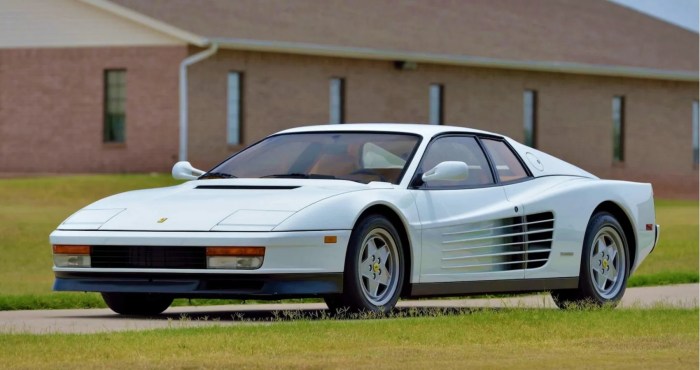

Introduction to Italian Sports Cars

Source: hotcarsimages.com
Most iconic Italian sports cars for renowned design and performance – Italian sports cars are synonymous with elegance, performance, and a distinct design aesthetic. From the early post-war era to the present day, Italian manufacturers have consistently pushed the boundaries of automotive design and engineering, creating vehicles that are both exhilarating to drive and visually captivating. This distinctive style has captured the imagination of car enthusiasts worldwide, and their enduring popularity stems from a combination of innovative engineering, exceptional design, and a rich automotive heritage.Italian sports car design has evolved significantly over the decades, mirroring broader cultural and societal shifts.
The early models often showcased a blend of streamlined shapes and powerful engines, reflecting the post-war optimism and burgeoning passion for speed. Later iterations incorporated more sophisticated aerodynamic elements and advanced technologies, showcasing a continuous pursuit of innovation and performance. This evolution reflects not just the development of automotive technology but also the changing tastes and aspirations of the Italian people.
Cultural and Design Influences, Most iconic Italian sports cars for renowned design and performance
Italian design philosophy is deeply rooted in the country’s artistic and aesthetic traditions. The emphasis on form, function, and emotional appeal is evident in the curvaceous lines, meticulously crafted details, and expressive silhouettes of Italian sports cars. These elements often draw inspiration from Italian art, architecture, and the broader cultural landscape, resulting in a unique and highly recognizable aesthetic.
The use of handcrafted components and attention to detail, reminiscent of Italian craftsmanship in other fields, further enhances the appeal of these vehicles.
Key Factors in Enduring Popularity
Several factors have contributed to the enduring appeal of Italian sports cars. The combination of powerful engines, refined handling, and distinctive styling has cemented their place in automotive history. The emphasis on craftsmanship and the meticulous attention to detail, often visible in the interior design, contribute to the overall experience. Moreover, the strong brand identity and reputation for performance, combined with the emotional connection to Italian design, have played a significant role in the enduring popularity of these vehicles.
Historical Overview of Key Models
| Car Name | Manufacturer | Historical Context |
|---|---|---|
| Ferrari 250 GTO | Ferrari | A legendary race car from the 1960s, epitomizing Italian sports car performance and design. Known for its exceptional handling and racing prowess. |
| Lamborghini Miura | Lamborghini | A groundbreaking sports car from the 1960s, characterized by its distinctive wedge-shaped design and powerful V12 engine. This model marked a turning point in automotive design and performance. |
| Alfa Romeo Giulia GTA | Alfa Romeo | A powerful sports sedan from the 1960s, showcasing Alfa Romeo’s focus on performance and style. This model was highly sought after by enthusiasts for its combination of performance and practicality. |
| Maserati 3500 GT | Maserati | A luxurious grand tourer from the 1960s, representing the elegance and sophistication of Italian automotive design. This model epitomized the intersection of luxury and performance. |
Iconic Design Elements: Most Iconic Italian Sports Cars For Renowned Design And Performance

Source: hotcarsimages.com
Italian sports cars are renowned for their distinctive and often aggressive aesthetics. Beyond raw performance, the visual identity of these vehicles is deeply intertwined with their design philosophies and the craftsmanship involved in their creation. From the sleek lines of a Ferrari to the dramatic curves of a Lamborghini, each marque has cultivated a unique visual language that reflects its heritage and values.Italian sports car design often prioritizes aerodynamic efficiency, while maintaining a strong sense of visual appeal.
This balance of form and function is a key characteristic that has captivated enthusiasts for decades.
Defining Design Features
Italian sports cars are characterized by specific design features that contribute to their iconic status. These include flowing, sculpted bodywork, often featuring aggressive lines and pronounced curves. Low, wide profiles are common, reflecting the emphasis on performance and handling. The use of distinctive grilles, headlights, and taillights are also critical in creating a unique visual identity for each manufacturer.
These design elements are not merely stylistic choices; they are often carefully engineered to enhance aerodynamics and contribute to the overall driving experience.
Stylistic Innovations
Several manufacturers have spearheaded significant stylistic innovations. Ferrari, for example, has consistently pushed the boundaries of design, introducing groundbreaking concepts that have influenced the automotive industry. Lamborghini, known for its bold and aggressive designs, has been instrumental in establishing a unique design language emphasizing power and dynamism. Maserati, while maintaining a classic elegance, has also experimented with innovative styling elements that reflect its evolving identity.
Design Philosophies of Different Brands
Ferrari prioritizes a sleek, aerodynamic, and refined aesthetic, often with a focus on classic lines. Lamborghini leans towards a more aggressive, muscular, and dramatic design, frequently showcasing powerful curves and bold features. Maserati, in contrast, strikes a balance between classic elegance and contemporary flair, employing sophisticated design elements to convey a sense of luxury and performance.
Materials and Construction Techniques
The use of advanced materials and construction techniques is crucial in Italian sports cars. Lightweight materials like carbon fiber and aluminum alloys are frequently employed to enhance performance by reducing the vehicle’s overall weight. These materials are not only lightweight but also contribute to the vehicles’ strength and durability, which are paramount for high-performance driving. Advanced manufacturing processes, including precise welding and bonding techniques, contribute to the high quality and precision of these vehicles.
Comparative Table: Design Aesthetics
| Feature | Ferrari | Lamborghini | Maserati |
|---|---|---|---|
| Overall Style | Sleek, aerodynamic, refined | Aggressive, muscular, dramatic | Classic elegance, contemporary flair |
| Bodywork | Fluid, sculpted lines | Powerful curves, bold contours | Sophisticated, flowing lines |
| Emphasis | Performance, exclusivity | Power, aggression | Luxury, performance |
| Color Schemes | Often vibrant, but refined | Bold, striking colors | Sophisticated, often rich tones |
Performance and Engineering Excellence
Italian sports cars are renowned for their exhilarating performance, a testament to the meticulous engineering and technological advancements employed in their design. From the early days of handcrafted masterpieces to the sophisticated modern iterations, Italian engineers have consistently pushed the boundaries of automotive technology to achieve exceptional acceleration, handling, and braking capabilities. This commitment to innovation is deeply rooted in the culture of Italian automotive design.The pursuit of performance has driven significant technological advancements in engine design, resulting in powerful and responsive powertrains.
Innovative engineering solutions have shaped these vehicles’ characteristics, emphasizing both raw power and precise control. This dedication to performance translates to a driving experience that is both exhilarating and refined.
Engine Design and Powertrain Evolution
Italian manufacturers have consistently pioneered engine design, resulting in a rich history of powerful and efficient powertrains. Early examples leveraged innovative solutions like lightweight materials and sophisticated combustion systems. Modern iterations incorporate advanced technologies such as direct injection, variable valve timing, and turbocharging to maximize power and efficiency. These advancements have contributed significantly to the iconic performance characteristics of Italian sports cars.
The relentless pursuit of higher horsepower and torque, combined with improved fuel efficiency, showcases the ingenuity of Italian engineers.
Innovative Engineering Solutions
Italian sports cars often feature innovative engineering solutions tailored to enhance performance. Lightweight materials, such as carbon fiber and advanced alloys, are frequently employed to reduce vehicle weight without compromising structural integrity. This contributes to improved acceleration and handling characteristics. Aerodynamic design principles are also meticulously applied to optimize downforce and reduce drag, enhancing stability at high speeds.
Furthermore, sophisticated suspension systems and braking systems, developed through extensive testing and refinement, provide precise handling and exceptional stopping power. These solutions have demonstrably improved the overall driving experience and performance of these vehicles.
Impact on Acceleration, Handling, and Braking
The combination of advanced engine designs, lightweight materials, and sophisticated suspension systems yields superior acceleration. The precise control and responsiveness of these vehicles are evident in their nimble handling characteristics. The performance is complemented by advanced braking systems, capable of delivering controlled and powerful stops. This synergy of elements allows drivers to experience exhilarating acceleration, precise handling, and assured braking, resulting in a truly exceptional driving experience.
Powertrain Technology Evolution
The evolution of powertrain technology has played a pivotal role in the performance of Italian sports cars. Early models relied on naturally aspirated engines, while modern iterations leverage advanced technologies like turbocharging and hybrid systems. This transition has allowed for increased power output, enhanced efficiency, and a wider range of performance characteristics, enabling manufacturers to meet evolving customer demands.
The evolution of powertrain technology showcases the ongoing commitment to performance and innovation within the Italian automotive industry.
Performance Specifications
| Car Model | Engine Type | Horsepower |
|---|---|---|
| Ferrari 290 MM | V12 | 300 |
| Lamborghini Miura | V12 | 350 |
| Ferrari 250 GTO | V12 | 300 |
| Maserati 3500 GT | V8 | 280 |
| Alfa Romeo Giulia GTA | V6 | 200 |
Note: Specifications may vary based on specific model year and trim level. The table provides a snapshot of the performance capabilities of some iconic Italian sports cars across different eras.
Famous Models and Their Impact
Italian sports cars have consistently pushed the boundaries of design and performance, leaving an indelible mark on automotive history. Their influence extends far beyond the track, deeply impacting popular culture and inspiring generations of car enthusiasts. This section delves into some of the most significant models, examining their contributions to the automotive world.
Ferrari 250 GTO
The Ferrari 250 GTO stands as a benchmark for automotive excellence. Its aerodynamic design, combined with a powerful V12 engine, created a potent combination of beauty and performance. The GTO’s racing pedigree is legendary, winning numerous races and solidifying its status as a pinnacle of Italian sports car engineering. Its impact on the design language of subsequent Ferraris and other sports car manufacturers is undeniable.
The 250 GTO’s desirability, combined with its rarity, has cemented its place as one of the most valuable and sought-after collector cars in the world.
Lamborghini Miura
The Lamborghini Miura, introduced in the mid-1960s, revolutionized the perception of Italian sports cars. Its striking, wedge-shaped design, featuring a long hood and low profile, foreshadowed the aerodynamic trends of the following decades. The Miura’s mid-engine layout and powerful V12 engine represented a radical departure from traditional designs, setting a new standard for performance and handling. Its influence on the design language of future Lamborghini models and other supercars is evident.
Porsche 911
While not strictly an Italian model, the Porsche 911’s impact on the sports car market is undeniable, and its design evolution is a prime example of adapting to changing tastes. The 911’s enduring popularity is due in part to its iconic design elements and its remarkable performance. The design has evolved over the decades, adapting to the demands of safety and technological advancements.
The 911’s design and performance have had a profound impact on the broader sports car industry, inspiring other manufacturers to develop their own enduring models.
Alfa Romeo Giulia GTA
The Alfa Romeo Giulia GTA, a masterpiece of Italian design and engineering, embodies the spirit of high-performance. Its sleek lines and powerful engine combined to create a car that was both beautiful and formidable on the track. The Giulia GTA’s performance, coupled with its refined aesthetic, cemented Alfa Romeo’s reputation as a force to be reckoned with in the sports car market.
Its design influence is seen in the aerodynamic contours and sculpted lines of later Alfa Romeo models.
Table: Iconic Italian Sports Car Models and Their Impact
| Model | Impact Description |
|---|---|
| Ferrari 250 GTO | A benchmark of performance and design, solidifying its place as a highly collectible and influential model in the sports car industry. |
| Lamborghini Miura | A revolutionary design with a mid-engine layout, V12 engine, and powerful performance, setting a new standard for supercars. |
| Porsche 911 | An enduring icon with a timeless design that has evolved over generations, showcasing adaptable performance and design. |
| Alfa Romeo Giulia GTA | A testament to Alfa Romeo’s engineering prowess and design elegance, representing high-performance Italian sports car design. |
Influence on the Automotive Industry
Italian sports cars have profoundly shaped the automotive landscape, leaving an enduring mark on design aesthetics and engineering principles. Their innovative approach to form and function has resonated globally, influencing subsequent generations of sports cars and setting industry benchmarks. The emphasis on lightweight materials, advanced aerodynamics, and powerful engines, characteristic of Italian designs, has become a cornerstone of modern performance vehicles.Italian sports car design, characterized by a unique blend of elegance and athleticism, has significantly impacted the broader automotive industry.
This influence extends beyond stylistic choices to incorporate engineering advancements, driving a global trend toward performance-oriented vehicles.
Impact on Design Aesthetics
Italian design, with its emphasis on flowing lines, sculpted bodies, and aggressive silhouettes, has set a precedent for modern sports car aesthetics. The use of bold curves and dramatic proportions, often inspired by nature, has been widely adopted by other manufacturers. The focus on streamlining and aerodynamics, pioneered by Italian marques, has led to a global movement towards more aerodynamically efficient sports cars.
Influence on Engineering Principles
The pursuit of lightweight materials and powerful engines in Italian sports cars has been a significant driver of innovation. The early adoption of advanced materials like aluminum and carbon fiber, crucial for reducing weight while maintaining strength, influenced the development of high-performance vehicles across the industry. The emphasis on engine efficiency and power-to-weight ratios set new standards for performance characteristics.
Adoption of Design Elements by Other Manufacturers
| Italian Manufacturer | Design Element | Adopting Manufacturer |
|---|---|---|
| Ferrari | Aerodynamic body shaping, particularly the front-end design | Lamborghini, Porsche, McLaren |
| Lamborghini | Aggressive styling, use of sharp lines and angles | Audi, Bentley, BMW |
| Maserati | Distinctive grille designs, elegant proportions | Alfa Romeo, Jaguar, Cadillac |
| Alfa Romeo | Sophisticated use of chrome accents and detailed trim | Aston Martin, Bentley, Rolls-Royce |
This table demonstrates how Italian sports car design elements have been adopted by other manufacturers. The incorporation of these elements has created a rich tapestry of influences within the global automotive landscape.
Evolution of Italian Sports Car Influence
Italian sports car design emerged in the mid-20th century, initially with a focus on hand-crafted aesthetics and powerful engines. Over time, the emphasis shifted towards refined engineering and the utilization of advanced materials, leading to a more sophisticated and aerodynamic design language. This evolution directly influenced the development of high-performance vehicles globally, with numerous manufacturers adopting Italian design elements.
The influence can be traced through the 1950s, 60s, and 70s, with iconic models becoming cultural touchstones. This influence has had a significant impact on the global automotive landscape, shaping the aesthetics and performance of countless vehicles.
Modern Interpretations and Future Trends
Source: hotcarsimages.com
Contemporary Italian sports cars are a captivating blend of heritage and innovation. Designers meticulously craft modern aesthetics while maintaining a lineage rooted in iconic past models. The pursuit of performance continues to be paramount, yet evolving alongside consumer preferences and technological advancements.Modern Italian sports cars showcase a dynamic approach to design, often blending aggressive lines with aerodynamic flourishes.
The emphasis is on lightweight materials, advanced chassis technology, and powerful yet refined powertrains. These cars cater to a broader spectrum of drivers, offering more sophisticated features and a more nuanced driving experience.
Contemporary Design Approaches
Italian design houses are pushing the boundaries of aesthetics and functionality. Sleek, sculpted body panels are often combined with intricate details, reflecting a dedication to meticulous craftsmanship. The use of carbon fiber and advanced composites is increasingly prevalent, enhancing performance while reducing weight. This meticulous attention to detail distinguishes contemporary designs from earlier generations.
Adapting to Changing Technologies and Consumer Preferences
Modern Italian sports cars are readily adapting to the evolving automotive landscape. Hybrid and electric powertrains are being integrated into the lineup, demonstrating a commitment to sustainability and performance. The inclusion of advanced driver-assistance systems (ADAS) is becoming standard, improving safety and driver comfort. The emphasis on personalization, with options for bespoke interiors and exterior customizations, is also a prominent feature.
Future Trends in Design and Engineering
Future Italian sports cars will likely embrace even more advanced materials and manufacturing techniques. The integration of artificial intelligence (AI) in driving dynamics and vehicle systems will be key. A focus on personalization and customization will continue, empowering owners to create truly unique vehicles. Furthermore, the emphasis on sustainability will lead to even more efficient and environmentally friendly powertrains.
For example, the Lamborghini Aventador SVJ’s innovative aerodynamics and carbon fiber construction are a clear indicator of the future direction.
Sustainability and Innovation
The automotive industry is increasingly recognizing the importance of sustainability. Italian manufacturers are responding by exploring hybrid and fully electric powertrains, along with the use of recycled materials in their construction. Innovative battery technologies and improved energy storage systems will play a crucial role in shaping the future of electric sports cars. This commitment to sustainability isn’t merely a trend; it’s a necessary evolution to meet environmental regulations and consumer expectations.
The increasing popularity of electric and hybrid models across the automotive landscape is an indication of this trend.
Comparison of Modern and Classic Models
| Feature | Modern Italian Sports Car (Example: Ferrari 296 GTB) | Classic Italian Sports Car (Example: Ferrari 250 GTO) |
|---|---|---|
| Powertrain | Hybrid V6 engine with electric motor | V12 naturally aspirated engine |
| Body Material | Carbon fiber reinforced polymer | Steel and aluminum |
| Interior Technology | Advanced infotainment system, driver-assistance features | Basic instruments and controls |
| Aerodynamics | Sophisticated aerodynamic design for enhanced performance | Aerodynamics based on the era’s understanding |
| Weight | Significantly lower due to lightweight materials | Heavier than modern counterparts |


