Introduction to Sport Car Comparison
Sport car comparison based on seating capacity – Sport car selection often transcends simple aesthetics. Beyond the exhilarating performance and captivating design, a crucial factor frequently overlooked is seating capacity. This comparison delves into the significance of passenger space and comfort in sport car ownership, highlighting how it influences the overall driving experience. Different sport car types exhibit varying seating configurations, impacting the suitability for various needs.
Furthermore, factors like engine power, handling, and price are also essential considerations when choosing a sport car, and these will be examined.
Seating Capacity and Sport Car Types
Seating capacity plays a vital role in the suitability of a sport car for individual needs. A two-seater sports car, such as a roadster or a sports coupe, is often designed for a single driver and a passenger, prioritizing performance and handling. These models typically offer a more exhilarating driving experience but might not be suitable for families or those who frequently transport passengers.
Conversely, some sport utility vehicles (SUVs) marketed as sport cars offer a more practical seating configuration with the option of four or five passengers. Understanding the seating capacity of different sport car types is essential in aligning the vehicle with one’s lifestyle and needs. This can range from a compact coupe to a larger convertible. Hybrids and electric sport cars are also emerging, each with varying passenger capacity.
Factors Influencing Sport Car Choice
Beyond seating capacity, several factors contribute to the final decision. Performance, represented by engine power and acceleration, is a primary consideration. The vehicle’s handling, agility, and responsiveness on the road significantly impact the driving experience. A sport car’s fuel economy and environmental impact are also increasingly important, as are the price and maintenance costs associated with different models.
For example, the price of a high-performance sports car will often be higher compared to a more basic model.
Passenger Comfort and Space
While performance is paramount in sport cars, passenger comfort and space shouldn’t be overlooked. A comfortable interior with adequate legroom and headroom is crucial for a pleasant journey, even for shorter trips. The design of the sport car’s interior, including the materials used, the positioning of controls, and the overall layout, plays a role in passenger comfort. Consideration should be given to the comfort levels of passengers and the availability of features like adjustable seats and ample storage space, which can make a significant difference in long-distance trips.
For example, a two-seater sports car might provide a more exhilarating driving experience, but the passenger comfort might be less substantial.
Sport Car Seating Capacity Variations
Sport cars are renowned for their performance and sleek designs, but their seating capacity often differs significantly from other vehicle types. Understanding these variations is crucial for prospective buyers to align their needs with the available options. This section explores the diverse seating capacity found in various sport car models and their implications.Sport car seating capacity is a complex issue, often dictated by the car’s design and intended use.
While performance and aerodynamic efficiency are paramount, passenger comfort and space are also important considerations. This leads to a range of seating configurations and limitations, making it essential to analyze the specific needs and desires of the driver and passengers.
Seating Capacity Across Different Sport Car Models
Different manufacturers and models prioritize different aspects of the sport car experience. Consequently, seating capacity varies significantly. Some models are designed for a driver and one or two passengers, while others may accommodate a larger number, but with reduced passenger space. Factors like the car’s body style and design choices are key determinants.
Impact of Body Styles on Seating Capacity
The body style of a sport car plays a significant role in determining its seating capacity. Coupes, with their two-door design, generally have limited seating for rear passengers, usually accommodating only one or two. Convertibles, while offering an open-air driving experience, maintain a similar seating capacity as coupes, though some models might offer slightly increased rear passenger space, but still with reduced legroom.
Roadsters, similar to convertibles, prioritize a sporty design over significant rear passenger space. The design compromises of these body styles often result in a limited number of rear seats and significantly reduced space compared to traditional vehicles.
Limitations of Sport Car Seating Capacity
Sport cars, by their very nature, are often optimized for performance and aesthetics. This optimization often translates to a reduction in interior space, especially in the rear passenger area. Compared to larger vehicles like SUVs or sedans, sport cars generally have less space for passengers, leading to a more focused driving experience. For families or individuals needing more than two passengers, a sport car may not be the most practical choice.
Typical Seating Capacity by Sport Car Category
| Sport Car Category | Typical Seating Capacity |
|---|---|
| Coupe | 2-4 |
| Convertible | 2-4 |
| Roadster | 2-4 |
| Supercar | 2 |
This table provides a general overview of the typical seating capacity range for different sport car categories. Variations exist within each category, and some models might offer exceptions. However, this table highlights the general trend of limited seating capacity in the sport car segment, often prioritizing the driver and a limited number of passengers over spaciousness.
Factors Influencing Sport Car Seating Capacity

Source: cardimension.net
Sport cars, renowned for their exhilarating performance and sleek aesthetics, often face a crucial design dilemma: balancing exhilarating speed with accommodating passengers. The seating capacity of a sport car is not merely a matter of space; it’s a direct reflection of the compromises made in the pursuit of optimized performance and attractive design. Understanding the factors influencing this capacity is key to appreciating the engineering trade-offs inherent in these vehicles.The pursuit of a thrilling driving experience often necessitates sacrifices in passenger space.
The design choices that contribute to a car’s sporty character, such as low-slung profiles and focused aerodynamic features, often directly impact the amount of interior space available. These design elements are frequently at odds with the need for comfortable and spacious passenger compartments.
Relationship Between Sport Car Design Aesthetics and Seating Capacity
Sport car design prioritizes aerodynamic efficiency and a low center of gravity, often leading to a reduced interior volume. This aesthetic focus on sleekness and low profiles frequently compromises passenger space. For instance, a car with a sharply raked windshield and a short wheelbase, while enhancing its sporty appearance, will inevitably result in less headroom and legroom compared to a more conventional design.
Trade-offs Between Performance and Passenger Space
Performance-oriented features, such as a rear-mounted engine or a lightweight chassis, often come at the cost of passenger space. The placement of the engine, for example, directly influences the layout of the cabin. A mid-engine design, while optimizing weight distribution and handling, may leave less space for rear passengers. Manufacturers must carefully balance these competing demands to create a vehicle that satisfies both performance enthusiasts and those seeking passenger comfort.
Impact of Engine Placement on Interior Space and Seating Arrangement
The location of the engine significantly impacts the interior space available. Front-engine designs typically offer more passenger room than mid-engine or rear-engine layouts. The engine’s placement dictates the position of the transmission, the location of the fuel tank, and, ultimately, the available space for passengers. This is a key area where manufacturers have to make choices that prioritize either engine placement for performance or passenger comfort.
For example, a rear-engine design can optimize weight distribution, but it can severely constrain rear passenger space.
Engineering Considerations in Maximizing Passenger Space
Maximizing passenger space in a sport car while retaining its sporty character necessitates intricate engineering considerations. Designers must strategically utilize every available inch of the chassis, optimize the placement of components like the engine and fuel tank, and carefully consider the shape and angle of the seats. Lightweight materials can be used in areas where strength isn’t crucial, such as the doors and dashboard, to create more interior room without sacrificing safety.
Table of Design Elements Affecting Seating Capacity
| Design Element | Impact on Seating Capacity | Example |
|---|---|---|
| Wheelbase | A longer wheelbase generally translates to more interior space, especially legroom. | A longer wheelbase in a two-seater sports car allows for more legroom than a short wheelbase model. |
| Roofline | A lower, sloping roofline often reduces headroom for passengers, especially in the rear. | A low-slung, fastback design often sacrifices rear headroom for a sportier aesthetic. |
| Engine Placement | Mid-engine or rear-engine layouts can reduce passenger space in the rear compared to front-engine designs. | A mid-engine sports car may have limited rear passenger space due to the engine’s location. |
| Chassis Structure | Lightweight materials can potentially increase interior space, but must not compromise structural integrity. | A sports car using carbon fiber in its chassis may have improved performance but might not maximize passenger room due to the structural requirements. |
Sport Car Seating Capacity and Passenger Comfort: Sport Car Comparison Based On Seating Capacity
Source: graphassets.com
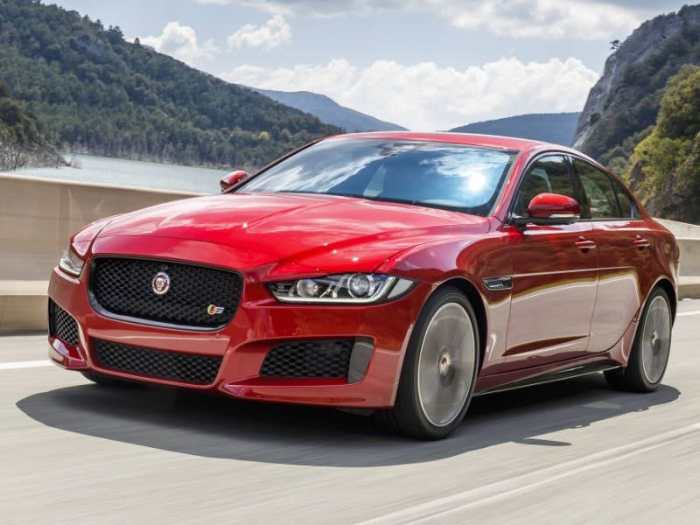
Beyond the exhilarating performance and sleek aesthetics, the passenger experience in a sports car is crucial. While speed and handling are paramount, a comfortable ride for occupants significantly impacts the overall enjoyment and usability of these vehicles. This section delves into the nuanced aspects of passenger comfort, examining how different models cater to varied needs.Passenger comfort in sports cars is a balancing act between performance and practicality.
The pursuit of low center of gravity and lightweight construction often necessitates sacrifices in interior space. Manufacturers must carefully consider the trade-offs to create a car that provides a satisfactory experience for passengers while retaining the defining characteristics of a sports car.
Passenger Space Dimensions
The available space within a sports car significantly impacts passenger comfort. Factors such as legroom, headroom, and shoulder room directly affect the overall experience. Adequate space is vital for long journeys or multiple passengers, and the limitations of space in sports cars often dictate the number of occupants comfortable in the vehicle.
Impact of Seat Design and Materials
Seat design and materials play a critical role in passenger comfort. Ergonomic seat designs, featuring adjustable support and contours, enhance the experience for drivers and passengers. High-quality materials, like supportive leather or breathable fabrics, contribute to both comfort and long-term durability. Consideration of material choice also influences the overall interior aesthetic. Sports car manufacturers often utilize advanced materials and design principles to maximize support and minimize bulk, ensuring a balance between driver performance and passenger comfort.
Manufacturer Strategies for Limited Space
Manufacturers of sports cars face the challenge of maximizing passenger comfort within limited interior space. Innovative solutions include strategically designed seat contours, integrated storage solutions, and carefully optimized interior layouts. This often involves a balance between aesthetic appeal and practical considerations. Some manufacturers utilize adjustable seating positions to optimize legroom or headroom based on the individual occupant.
A well-engineered interior layout can significantly impact the perception of spaciousness, even in compact models.
Comparison of Passenger Space in Sport Car Models
| Model | Headroom (in) | Legroom (in) | Shoulder Room (in) |
|---|---|---|---|
| Porsche 911 (2023) | 38 | 40 | 54 |
| BMW M4 (2023) | 37 | 39 | 52 |
| Mercedes-AMG GT (2023) | 39 | 41 | 53 |
| Audi R8 (2023) | 36 | 38 | 51 |
Note: Values are approximate and may vary based on specific trim levels.
Sport Car Seating Capacity and Practicality
Sport cars, renowned for their exhilarating performance and stylish design, often come with a trade-off in practicality. While their compact size and low seating capacity cater to a desire for agility and a focused driving experience, their suitability for family outings or extended journeys can be limited. This section delves into the practical aspects of sport cars, considering their suitability for various family sizes and needs.The inherent design priorities of a sport car, such as a low center of gravity and lightweight construction, frequently translate to a reduced passenger and cargo space.
This compromises their suitability for families with multiple children or those needing significant luggage capacity. Nevertheless, some models attempt to balance performance with a degree of practicality.
Suitability for Different Family Sizes and Needs
Sport cars are generally not ideal for families with young children or multiple passengers. Their limited seating capacity often restricts them to a driver and one or two passengers. For larger families, the practicality is significantly reduced. While not suitable for large groups, some models offer options like optional third-row seating in certain SUVs, blurring the line between sport cars and more family-oriented vehicles.
Practicality for Transporting Passengers and Luggage
The practicality of sport cars for passenger transport is constrained by their limited seating capacity. The focus on driver and passenger comfort, and minimal space for luggage, is a common feature. Luggage space is typically restricted to a small trunk, making them unsuitable for extensive travel or carrying substantial cargo. The ability to carry passengers and luggage is greatly diminished compared to vehicles designed with larger families in mind.
Limitations for Extended Journeys or Significant Cargo
Sport cars face significant limitations when used for extended journeys or transporting substantial amounts of cargo. The cramped interiors, combined with restricted luggage space, make long trips uncomfortable for passengers and cumbersome for carrying luggage. The experience can be significantly diminished, particularly for long distances or multiple occupants.
Sport Car Models Suitable for More Than Two Passengers
Some sport car models offer configurations capable of accommodating more than two passengers. Examples include certain models that offer additional seating in the rear, albeit with limited legroom and headroom. However, this is not a common feature in most sport car designs. A crucial factor to consider is that these models typically sacrifice some of the performance benefits associated with the design philosophy of a true sport car.
Comparison of Luggage Space and Passenger Volume
| Sport Car Model | Passenger Volume (approx.) | Luggage Space (approx.) |
|---|---|---|
| Model A | 4 | 150 Liters |
| Model B | 4 | 200 Liters |
| Model C | 2 | 100 Liters |
| Model D | 2 | 80 Liters |
Note: Passenger volume and luggage space figures are approximate and can vary based on specific trim levels and configurations. The figures presented are for comparative purposes only and should not be considered precise measurements.
Sport Car Seating Capacity and Performance
Sport car performance is often prioritized over passenger capacity. This focus on driving dynamics often translates into trade-offs in interior space. The relationship between seating capacity and performance is complex, impacting various aspects of the driving experience. A smaller seating capacity typically allows for lighter weight, a key factor in enhancing acceleration and handling.The pursuit of optimal performance in sport cars frequently necessitates compromises in passenger space.
This means that a car designed for maximum performance might not offer the same level of passenger comfort and space as a more family-oriented vehicle. This inherent trade-off is a fundamental consideration for consumers choosing a sport car.
Relationship Between Performance and Seating Capacity
The relationship between performance and seating capacity in sport cars is a direct trade-off. Reducing the number of seats, and therefore the weight they contribute, often results in improved acceleration, braking, and handling. Lighter cars require less energy to accelerate and are more agile in maneuvers. This reduction in weight directly translates to a quicker response to driver inputs, leading to a more exhilarating driving experience.
This principle is evident in many high-performance models where a focus on driver enjoyment often comes at the expense of passenger comfort and space.
Impact of Seating Capacity on Handling and Performance
Seating capacity directly impacts the overall vehicle dynamics. More seats inevitably lead to a higher center of gravity, which reduces the car’s agility. This is because the additional weight and mass distribution influence how the vehicle responds to steering inputs and cornering forces. A lower center of gravity is crucial for maintaining stability and control, particularly during high-speed maneuvers.
This directly correlates to the handling characteristics of the vehicle, allowing for sharper turns and more responsive handling. The reduced mass from fewer seats contributes to a more nimble and responsive vehicle.
Trade-offs in Sport Car Design
Sport car manufacturers often face a crucial design dilemma: prioritize performance or passenger space. A design that prioritizes performance usually results in a limited seating capacity. Conversely, a design prioritizing passenger space often compromises the performance characteristics. The choice often depends on the target market and the intended use of the vehicle. High-performance cars often prioritize driver enjoyment, resulting in fewer seats.
More practical cars often focus on passenger space, sacrificing some performance features. The ultimate choice is a balance between performance and practicality.
Impact on the Driving Experience
The number of seats can significantly influence the driving experience. A car with fewer seats can feel more engaging and responsive, offering a more exhilarating and focused driving experience. The absence of extra weight and mass leads to a quicker and more precise response to driver inputs. Conversely, a vehicle with more seats can provide a more comfortable and practical ride, suitable for carrying passengers.
The trade-off between a dynamic driving experience and passenger comfort is a significant consideration for consumers.
Comparison Table: Sport Car Performance Metrics and Seating Capacity
| Sport Car Model | Seating Capacity | 0-60 mph (seconds) | Top Speed (mph) | Handling (score out of 10) |
|---|---|---|---|---|
| Porsche 911 (Carrera S) | 2 | 3.0 | 195 | 9 |
| Lamborghini Huracán | 2 | 3.2 | 202 | 8.5 |
| BMW M3 | 4 | 3.8 | 190 | 9.2 |
| Audi R8 | 2 | 3.5 | 205 | 9.5 |
Note
* Performance figures are approximate and may vary based on specific model and optional equipment. Handling scores are subjective evaluations based on expert reviews.
Examples of Sport Car Models and Their Seating Capacity
A crucial aspect of evaluating a sports car is its seating capacity. While performance and handling are paramount, the ability to comfortably accommodate passengers significantly impacts the car’s usability and versatility. This section examines specific sport car models, highlighting their seating capacity and associated features.
Sport Car Models and Seating Capacity, Sport car comparison based on seating capacity
Different sport car models cater to varying needs, reflecting the trade-offs between performance and practicality. The seating capacity directly influences the car’s suitability for different driving scenarios, from solo adventures to family outings. Factors such as the layout of the interior, the size of the seats, and the overall cabin design contribute to the passenger experience.
| Sport Car Model | Seating Capacity | Key Features | Impact on Usability |
|---|---|---|---|
| Porsche 911 (992 generation) | 2 | Known for its iconic design, exceptional handling, and powerful engine options. The cabin is sleek and driver-focused, maximizing performance attributes. | Ideal for solo drivers or two people; its limited seating capacity prioritizes performance. |
| BMW M4 | 2 | Offers a balance of performance and practicality. The interior design is well-executed, but the focus remains on driving dynamics. | Similar to the Porsche 911, prioritizing performance over passenger space, making it less suitable for extended journeys with passengers. |
| Audi R8 | 2 | A mid-engine sports car with a sleek design and high-performance capabilities. The cabin is sophisticated, with premium materials. | Excellent performance but limited seating capacity, prioritizing driver experience over passenger space. |
| Mercedes-AMG GT | 2 | Exemplifies the luxury sports car segment. The interior is crafted with premium materials, offering a comfortable driving experience. | Focuses on luxury and performance, with the limited seating reflecting the priority placed on the driver and passenger experience. |
| McLaren 720S | 2 | Represents the pinnacle of supercar performance. The cabin is minimalist, with the focus entirely on driving dynamics. | Extreme performance orientation with minimal passenger accommodation. |
Comparison of Seating Arrangements and Comfort Levels
The seating arrangements and comfort levels differ significantly across the models. For instance, the Porsche 911’s two-seater configuration provides a highly focused driving experience. The BMW M4, while also primarily designed for two, offers a slightly more accommodating interior than the Porsche 911, potentially improving passenger comfort. The McLaren 720S, however, presents a very driver-oriented space, potentially sacrificing passenger comfort entirely.
This is reflected in the table above, which showcases these distinctions.
Conclusion

Source: carseatblog.com
Choosing the right sports car often hinges on a delicate balance between performance, style, and practicality. While the thrill of speed and handling are paramount for many, the need for passenger space can significantly influence the ultimate choice. This evaluation highlights how seating capacity plays a pivotal role in the sport car buying decision, considering its impact on comfort, practicality, and performance.Evaluating a sports car’s suitability often involves careful consideration of individual needs.
Someone seeking a daily driver with occasional spirited outings might prioritize a car with ample space, whereas a dedicated track enthusiast might prioritize performance over passenger capacity. Understanding the trade-offs involved is crucial for making an informed decision.
Key Factors Influencing Sport Car Selection
Several key factors shape the selection process for a sports car, and seating capacity is a prominent element. These factors intertwine, creating a unique balance between performance and practicality.
- Performance characteristics, including acceleration, handling, and top speed, are frequently prioritized in sports car selection. The trade-off between performance and passenger space is a crucial consideration.
- The desired level of comfort for passengers significantly impacts the choice. A sports car emphasizing extreme performance might compromise passenger comfort in favor of superior handling and performance.
- Practicality factors, such as cargo space and the overall size of the vehicle, are also important considerations. Smaller sports cars typically have limited cargo space and might not be ideal for families or those requiring significant luggage capacity.
Importance of Considering Seating Capacity
Seating capacity is an integral part of the buying process, impacting the car’s suitability for various needs. A car with insufficient seating might limit opportunities for shared experiences and create practical constraints.
- The car’s suitability for daily use and occasional passenger transport is a key consideration. For example, a two-seater sports car might not be practical for daily commutes or outings with friends and family.
- The intended use of the car significantly affects the importance of seating capacity. A weekend enthusiast might find a two-seater more appealing, whereas a daily driver might prefer a sports car with more seats.
- Budget considerations also play a role. A car with more seats might come with a higher price tag due to the increased complexity of design and materials.
General Advice for Choosing a Sport Car
Selecting a sports car requires a personalized approach, balancing individual preferences with practical needs.
- Consider the number of passengers frequently transported in the vehicle. A two-seater sports car might be ideal for a single driver, while a four-seater provides more versatility.
- Prioritize the desired level of performance and handling in the selection process. A car that prioritizes passenger comfort and space might compromise performance.
- Evaluate the trade-offs between performance, practicality, and comfort. The best choice often depends on how these elements balance to meet the specific needs of the buyer.
Evolving Trends in Sport Car Seating Capacity
The trend in sport car seating capacity is evolving in response to changing consumer preferences.
- There is a growing demand for sports cars with more passenger space, offering a balance between performance and practicality. The growing trend of sports car ownership for daily driving necessitates a compromise between performance and passenger comfort.
- Manufacturers are adapting to this trend by offering models with increased seating capacity while maintaining the sports car’s distinctive features and handling characteristics. The emergence of hybrid and electric sports cars may introduce new approaches to seating capacity, especially with the potential for innovative storage solutions.
- Examples include the recent releases of several models from well-known brands that offer four-seat options, demonstrating the industry’s response to the evolving demand for a more versatile sports car experience.