Introduction to Manual Transmission Flywheels
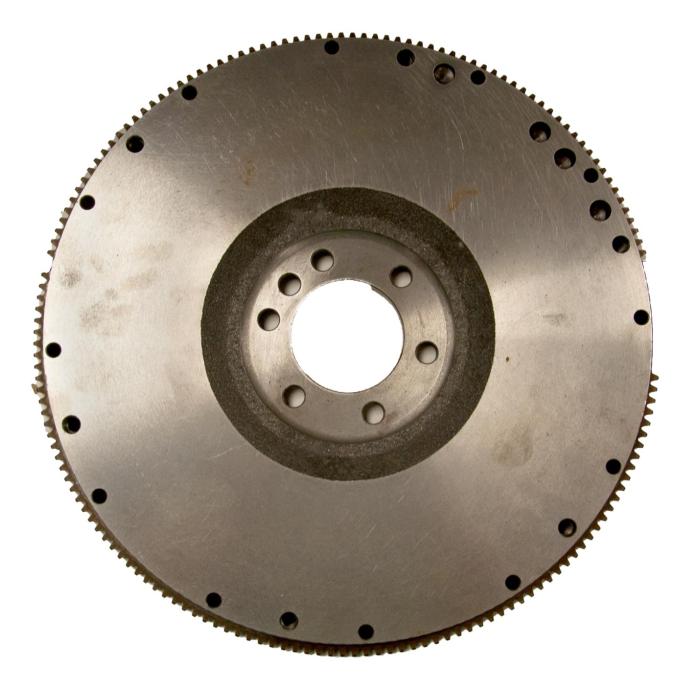
Source: pioneerautoinc.com
Understanding the role of the flywheel in a manual transmission – The flywheel in a manual transmission is a crucial component that acts as a bridge between the engine’s power output and the transmission’s gears. Its primary function is to smooth out the pulsating torque produced by the engine, ensuring a consistent and usable power flow to the drive wheels. Understanding its role is essential for appreciating the mechanics of a manual transmission and the challenges of converting reciprocating engine power into rotational motion.The flywheel’s design and construction are critical for maintaining a stable rotational speed during gear changes.
This stability is vital for efficient power delivery and a smooth driving experience. Its ability to store rotational energy allows the transmission to smoothly shift between gears without significant power loss or shudder.
Flywheel Definition and Purpose
A flywheel in a manual transmission is a heavy, rotating disc that stores rotational energy. This stored energy acts as a buffer, smoothing out the intermittent torque produced by the internal combustion engine. The flywheel’s primary purpose is to maintain a relatively constant rotational speed during engine operation, allowing for a consistent power delivery to the transmission.
Key Components of a Flywheel
The flywheel’s primary component is the disc itself, often made of cast iron or high-strength steel alloys. These materials offer excellent strength and durability to withstand the significant forces during operation. A crucial component is the clutch hub, which interfaces with the clutch mechanism for engagement and disengagement from the engine’s crankshaft. The flywheel’s mounting surfaces are carefully machined to ensure precise alignment with the crankshaft and transmission.
The outer surface of the flywheel often features ribs or strengthening features for improved rigidity and to reduce vibrations. Finally, the flywheel is typically fitted with a ring gear, where the pressure plate of the clutch system engages, transferring the rotational energy to the transmission.
Function in Power Transfer
The flywheel plays a critical role in transferring power from the engine to the transmission. During engine operation, the crankshaft rotates, driving the flywheel. The flywheel’s inertia helps maintain this rotation. This smooth rotational motion is essential for transferring the engine’s power efficiently to the transmission’s gears. The clutch mechanism engages and disengages the flywheel from the crankshaft, allowing the driver to select different gears.
Historical Context
The concept of the flywheel dates back to the early days of mechanical engineering. Its use in manual transmissions evolved alongside the development of internal combustion engines. Early designs often relied on simple, cast-iron discs. Over time, advancements in materials science and manufacturing processes led to improved flywheel designs with enhanced strength and reduced weight, improving overall efficiency.
Modern flywheels utilize sophisticated materials and manufacturing techniques to maximize their ability to store and release energy. The flywheel, a seemingly simple component, has played a vital role in the development and refinement of internal combustion engine-based vehicles.
Flywheel Material and Design
Source: reizendemoke.be
The flywheel, a crucial component in manual transmissions, plays a vital role in transferring rotational energy from the engine to the transmission. Its material and design directly impact the engine’s performance, durability, and overall vehicle experience. A well-designed flywheel efficiently absorbs and releases torque, smoothing out the engine’s power delivery and reducing vibrations.The selection of materials and the design process are paramount in achieving this function effectively.
Different materials offer varying properties, impacting the flywheel’s ability to withstand stress, maintain its shape under load, and contribute to the overall cost of production.
Common Flywheel Materials
Flywheels are typically constructed from cast iron or steel alloys. Cast iron, due to its high strength-to-weight ratio, and relatively low cost, remains a popular choice. Steel alloys, on the other hand, offer higher strength and stiffness, though they often come with a higher price tag. Modern designs sometimes incorporate composite materials for specific applications, such as lighter weight requirements or enhanced vibration damping.
Material Properties Comparison
Cast iron flywheels, while cost-effective, often exhibit moderate stiffness. Steel alloys, particularly those with higher carbon content, provide greater strength and stiffness, enabling them to endure higher torque loads. This stiffness translates to reduced engine vibrations, which is often a critical factor in vehicle design. Weight is also a significant consideration, with lighter flywheels contributing to improved engine performance and fuel efficiency.
The choice of material thus depends on a careful balance of these factors.
Design Considerations
Several design considerations play a significant role in the performance and durability of a flywheel. One key aspect is the thickness and shape of the flywheel’s rim. A thicker rim, for example, provides greater strength but also increases weight. The flywheel’s diameter also impacts its ability to store rotational energy. A larger diameter flywheel allows for smoother power transfer but may also result in increased inertia.Furthermore, the manufacturing process significantly affects the flywheel’s final characteristics.
Casting processes, for instance, can produce a flywheel with intricate internal features, while machining methods allow for precision control over dimensions. This precision is crucial for ensuring proper engagement with the clutch.
Stress and Durability
Flywheels are subjected to considerable stress during operation. High torque loads and repeated engagement/disengagement of the clutch generate significant forces. The design must ensure the flywheel can withstand these stresses without permanent deformation or failure. Careful consideration of material properties, heat treatment, and the design of stress concentrations is vital.
Effect on Engine Vibrations
The flywheel’s design significantly impacts engine vibrations. A properly designed flywheel, with its ability to absorb and release torque smoothly, can effectively dampen vibrations transmitted to the vehicle’s chassis. Conversely, a poorly designed flywheel can exacerbate vibrations, leading to a less comfortable driving experience. The effective mass of the flywheel and its rotational inertia play crucial roles in vibration reduction.
Flywheel Material Suitability Table
| Material | Strength | Weight | Cost | Suitability |
|---|---|---|---|---|
| Cast Iron | Moderate | Moderate | Low | General-purpose applications, cost-sensitive designs |
| Steel Alloy | High | Moderate to High | Medium to High | High-performance applications, demanding torque conditions |
| Composite Material | Variable | Low | Medium to High | Applications requiring a balance of strength, weight, and cost |
Flywheel’s Role in Power Transfer
The flywheel, a crucial component of a manual transmission, plays a pivotal role in smoothing out the pulsating power delivered by the internal combustion engine. Its primary function is to store rotational energy during the engine’s power strokes and release it during the less powerful strokes, thereby maintaining a consistent rotational speed and output. This controlled energy transfer is essential for the smooth operation of the vehicle.
Energy Storage during Engine Operation
The flywheel’s ability to store rotational energy is directly linked to its inertia. During the engine’s power strokes, when the pistons are delivering force to the crankshaft, the flywheel absorbs the energy imparted by the crankshaft’s rotation. This stored energy is then released during the less powerful strokes, maintaining a consistent rotational speed. Think of it like a spinning top; the top’s inertia keeps it spinning, even when the force applied isn’t constant.
Flywheel Inertia and Engine Speed Fluctuations
The flywheel’s inertia directly impacts the engine’s speed fluctuations. A flywheel with high inertia resists changes in rotational speed. This is crucial because the internal combustion engine’s torque output isn’t constant; it pulsates with each combustion cycle. A higher inertia flywheel effectively smooths these fluctuations, leading to a more stable engine speed. This smoother power delivery is felt by the driver and improves the vehicle’s overall performance.
Smoothing Pulsating Torque
The engine’s torque output is not uniform; it pulsates with each power stroke. The flywheel acts as a buffer against these pulsations. By storing energy during the powerful strokes and releasing it during the weaker ones, the flywheel significantly reduces the pulsations felt at the transmission output shaft. This translates to a smoother and more consistent driving experience.
The impact of this smoothing effect is noticeable in the reduced vibration and shuddering experienced during acceleration and deceleration.
Flywheel Impact on Gear Shifting
The flywheel’s inertia significantly affects the ease and smoothness of gear shifting. When shifting gears, the engine’s rotational speed changes. A flywheel with high inertia helps maintain a more stable speed during the shift, reducing the impact on the driver and the vehicle. This is particularly important in higher gear changes where the engine’s rotational speed can vary significantly.
Energy Storage and Transfer Mechanisms
The following diagram illustrates the energy storage and transfer mechanisms of the flywheel. It visually represents how the flywheel absorbs energy during powerful engine strokes and releases it during weaker ones, thereby smoothing the rotational output.
| Engine Power Stroke | Flywheel Energy Storage | Engine Weak Stroke | Flywheel Energy Release |
|---|---|---|---|
| High torque output | Flywheel absorbs rotational energy | Lower torque output | Flywheel releases stored energy |
Diagram: A simplified representation of the flywheel’s energy storage and release cycle. The diagram would show the crankshaft connected to the flywheel. Arrows would indicate the direction of energy transfer during different engine strokes.
Flywheel and Clutch Interaction
The flywheel, a crucial component in manual transmissions, stores rotational energy and facilitates smooth power transfer. The clutch, acting as an intermediary, allows for controlled disconnection and reconnection between the flywheel and the transmission, enabling gear changes without disrupting the engine’s output. Understanding this interaction is essential for comprehending the operation of a manual transmission.The clutch’s primary role is to decouple the engine’s rotational force from the transmission’s input shaft during gear changes.
This controlled separation prevents the engine from being subjected to abrupt and potentially damaging loads. Simultaneously, it allows for the seamless engagement of the transmission into a different gear. The flywheel, due to its inertia, helps to maintain momentum and prevent harsh shifts.
Clutch Disengagement and Engagement
The clutch’s operation is a critical aspect of gear shifting. During disengagement, the clutch plates are separated, breaking the mechanical connection between the engine and transmission. This allows the driver to shift gears without the engine’s torque being transferred to the transmission. Conversely, engaging the clutch reconnects the flywheel to the transmission, transferring the engine’s power smoothly.
Gear Shifting Sequence
The sequence of events during a gear change highlights the flywheel’s role. First, the driver disengages the clutch, interrupting the power flow. Next, the driver selects the desired gear. Crucially, the flywheel’s momentum, stored energy, helps maintain engine speed and avoid unwanted jerking during the gear shift. Finally, the clutch is re-engaged, and the engine’s power is transmitted through the newly selected gear.
This sequence, if executed correctly, results in a smooth transition between gears.
Clutch Adjustment and Flywheel Performance
Proper clutch adjustment is paramount to maintaining optimal flywheel function. A poorly adjusted clutch can lead to several issues, impacting the flywheel’s ability to deliver power efficiently. A slipping clutch, for example, indicates inadequate adjustment or wear, resulting in reduced power transfer and uneven gear changes. Conversely, a clutch that engages too hard can cause abrupt shifts and strain the transmission and flywheel.
Effects of a Faulty Clutch
A faulty clutch can significantly impact the flywheel’s performance. A worn or damaged clutch may exhibit slippage, leading to a loss of power and a rough driving experience. Furthermore, this slippage can cause increased wear on the flywheel and other components. Excessive wear on the clutch plates can also create excessive friction, causing the engine to stall or struggle to maintain speed.
Flywheel and Gear Shifting

Source: shipfever.com
The flywheel’s role extends beyond simply storing rotational energy; it plays a crucial part in the smooth transition between gears during shifting. Understanding its inertia and how it interacts with the engine and transmission is vital for achieving a seamless driving experience. The relationship between flywheel inertia and gear shifting significantly impacts driving dynamics and vehicle performance.
Relationship Between Flywheel Inertia and Gear Shifting
The flywheel’s inertia, a measure of its resistance to changes in rotational speed, directly influences how smoothly gear changes occur. A higher flywheel inertia resists changes in engine speed more effectively, whereas a lower inertia flywheel allows for quicker adjustments. This resistance is a key factor in the shifting process.
Effects of High Flywheel Inertia During Gear Changes
High flywheel inertia, while offering a degree of stability, can result in a slightly less responsive gear change. The flywheel’s resistance to speed changes can cause a brief interruption in power delivery during upshifts. This can be noticeable as a slight hesitation or “bump” in the acceleration, especially when shifting from lower to higher gears. This effect is less pronounced in vehicles with highly responsive engines and transmissions.
Matching Engine Speed to Gear Ratio During Shifts
Optimal gear changes necessitate matching the engine’s rotational speed (RPM) to the gear ratio being engaged. A mismatched speed can lead to harsh transitions and reduced fuel efficiency. The flywheel acts as a buffer, absorbing the mismatch and assisting in a smoother gear change. Proper synchronization is vital for a smooth and controlled driving experience.
Flywheel Inertia and Smoothness of Gear Transitions
The flywheel’s inertia directly impacts the smoothness of gear transitions. A flywheel with sufficient inertia helps to maintain a relatively constant engine speed during gear changes. This leads to a smoother, more controlled shift, reducing any perceived jolts or hesitations. Conversely, a flywheel with insufficient inertia can result in a jerky or jarring shift.
Examples of How Gear Shifting is Affected by Flywheel Inertia
Consider a vehicle with a high-performance engine and a relatively light flywheel. The shifts might feel quicker and more responsive but may also exhibit a slightly more noticeable “bump” during transitions. In contrast, a vehicle with a heavy-duty engine and a large flywheel might exhibit a slightly less responsive shift but with a more gradual and smoother power transfer.
These examples highlight the inverse relationship between flywheel inertia and shift responsiveness.
Flywheel Maintenance and Troubleshooting
Maintaining a flywheel in a manual transmission is crucial for optimal performance and longevity. Proper care prevents premature wear, ensuring smooth gear shifting and reliable power transfer. Neglecting maintenance can lead to costly repairs and potentially dangerous situations. This section details common issues, diagnostic procedures, and preventative measures for a healthy flywheel.
Common Flywheel Issues, Understanding the role of the flywheel in a manual transmission
Flywheels, like any mechanical component, can experience various issues. These can range from minor wear to more significant damage. Understanding these common problems is the first step in proactive maintenance and troubleshooting. Typical problems include: excessive wear on the friction surface, cracks or fractures in the flywheel’s material, misalignment issues between the flywheel and the clutch, and issues with the flywheel’s mounting bolts.
These issues can manifest as a variety of symptoms, such as grinding noises, difficulty shifting gears, or a loss of power.
Diagnosing Flywheel Problems
Identifying the root cause of flywheel problems is essential for effective repair. This involves a systematic approach to checking various aspects of the flywheel and its interaction with other components. Visual inspection for cracks or significant wear is crucial. Listening for unusual noises during operation, such as grinding or squealing, can also pinpoint potential issues. Checking for proper clutch alignment and engagement is essential.
Finally, checking the flywheel’s mounting bolts for tightness and any signs of loosening is important.
Importance of Proper Flywheel Maintenance
Proper flywheel maintenance is essential for maintaining the vehicle’s performance and longevity. Routine inspections and timely repairs can prevent costly replacements and extend the lifespan of the flywheel and the entire transmission system. This proactive approach reduces the risk of sudden failures, ensures consistent power transfer, and promotes smoother gear shifting. Consistent maintenance also helps maintain the integrity of the clutch system, extending its life.
Flywheel Inspection Procedures
A thorough inspection can identify potential problems early. Following a structured inspection process is key. First, visually inspect the flywheel for cracks, warping, or significant wear on the friction surface. Secondly, examine the flywheel mounting bolts for tightness. Next, evaluate the alignment of the flywheel with the clutch.
Finally, listen for any unusual noises during operation. These steps, performed regularly, can prevent significant damage and extend the flywheel’s life.
- Visual Inspection: Carefully examine the flywheel for any visible signs of damage, such as cracks, warping, or excessive wear. Pay close attention to the friction surface for signs of excessive wear. Look for any damage around the mounting holes.
- Listening for Sounds: Listen closely for any unusual noises during engine operation, such as grinding, screeching, or squealing. These sounds can indicate issues with the flywheel or the clutch system.
- Clutch Alignment Check: Ensure the flywheel and the clutch are correctly aligned. Misalignment can cause damage and improper operation.
- Bolt Tightness Check: Verify the flywheel’s mounting bolts are properly tightened to the manufacturer’s specifications. Loose bolts can lead to vibration and damage.
Replacing a Flywheel
Replacing a flywheel is a complex procedure, often requiring specialized tools and knowledge. It’s usually best performed by a qualified mechanic. Before undertaking this task, consult a repair manual for specific procedures and torque specifications. The process typically involves removing the flywheel from the transmission housing, inspecting the flywheel for damage, and installing the new flywheel. Ensure the new flywheel is compatible with the vehicle’s transmission.
Flywheel in Different Transmission Types: Understanding The Role Of The Flywheel In A Manual Transmission
The flywheel, a crucial component in manual transmissions, plays a vital role in transferring power from the engine to the transmission and subsequently to the wheels. Its design significantly impacts the overall performance and characteristics of the vehicle, particularly in relation to the transmission type. This section explores the nuances of flywheel design across various manual transmission types, emphasizing the tailored requirements for each.The choice of flywheel material, its mass, and its overall design are intrinsically linked to the transmission type.
Synchromesh transmissions, for instance, necessitate different characteristics compared to non-synchromesh systems. Engine type also factors into the equation, as different engines produce different torque curves and power outputs, necessitating distinct flywheel designs.
Role of Flywheel in Synchromesh Transmissions
Synchromesh transmissions feature a mechanism that allows gears to mesh smoothly, facilitating effortless gear changes. The flywheel’s role in this context is to maintain a consistent rotational speed during shifting. This requires a flywheel with sufficient mass to absorb and manage the changes in rotational speed between gears. The flywheel’s design must also accommodate the precision requirements of the synchronizer rings and mechanisms.
Role of Flywheel in Non-Synchromesh Transmissions
Non-synchromesh transmissions, conversely, rely on the driver to precisely match the rotational speeds of the gears. This necessitates a different flywheel design compared to synchromesh transmissions. A heavier flywheel, with greater rotational inertia, can help mitigate the need for precise speed matching. A heavier flywheel also contributes to smoother gear transitions.
Impact of Transmission Type on Flywheel Requirements
The transmission type dictates the required flywheel characteristics. Synchromesh transmissions demand a flywheel with a more delicate balance between mass and inertia, facilitating seamless gear changes. Non-synchromesh transmissions, on the other hand, benefit from a flywheel with a higher mass, which can aid in maintaining consistent rotational speeds across gears. The overall torque output of the engine also significantly influences the flywheel’s design.
Flywheel Design for Different Engine Types
Different engine types, such as petrol or diesel engines, exhibit varying torque curves and power outputs. Petrol engines typically produce more abrupt power surges, necessitating a flywheel design that can absorb these surges. Diesel engines, with their more consistent torque output, often require a flywheel with slightly less mass. The engine’s RPM range and peak torque output directly influence the flywheel’s design.
Comparison of Flywheel Designs Across Manual Transmission Types
| Transmission Type | Flywheel Design Considerations | Mass | Inertia | Material |
|---|---|---|---|---|
| Synchromesh | Smooth gear changes, precision in matching rotational speeds | Moderate | Moderate | High-strength steel alloy |
| Non-Synchromesh | Requires precise driver intervention to match rotational speeds | High | High | High-strength steel alloy |
This table provides a concise comparison of flywheel designs for various manual transmission types, highlighting the key considerations. Note that specific design parameters can vary based on the particular vehicle application.
Flywheel and Modern Automotive Trends
The flywheel, a seemingly simple component, plays a crucial role in the smooth operation of internal combustion engines. However, the rise of electric and hybrid vehicles presents evolving demands on power transfer systems. This section examines the flywheel’s future within the context of these advancements.
Evolving Role in Modern Designs
The traditional role of the flywheel in internal combustion engines is to store rotational energy, smoothing out the pulsating power output from the engine. This is particularly important in manual transmission vehicles. In modern designs, the emphasis is shifting towards minimizing inertia and maximizing responsiveness. Lightweight materials and optimized designs are crucial for achieving this.
Impact of Electric and Hybrid Technology
Electric and hybrid vehicles introduce a different dynamic. These systems often employ electric motors for power assist and regenerative braking. The flywheel’s role becomes less central as electric motors offer instant torque and the regenerative braking process naturally regulates energy flow. However, a flywheel could still be incorporated in some hybrid designs, particularly in systems that aim to store and release energy from braking or during acceleration, improving overall efficiency.
Alternative Power Transfer Methods
Alternative power transfer methods are emerging, including:
- Direct Drive Systems: These systems eliminate the need for a traditional transmission, connecting the engine or motor directly to the wheels. This reduces complexity and friction losses. However, direct drive often necessitates higher levels of power electronics and control to manage the engine or motor’s output.
- Continuously Variable Transmissions (CVTs): CVTs offer a smooth power delivery that can optimize fuel efficiency. Their continuously changing gear ratios can minimize the need for a flywheel’s energy storage function. However, they might not provide the same levels of responsiveness or performance found in traditional systems.
- Integrated Motor-Generator Systems: These systems integrate electric motors and generators into the vehicle’s powertrain, potentially eliminating the need for a flywheel in certain scenarios. The motor/generator can directly control torque and energy flow.
Benefits and Drawbacks of Alternatives
The table below summarizes the potential benefits and drawbacks of these alternative power transfer methods:
| Method | Benefits | Drawbacks |
|---|---|---|
| Direct Drive | Reduced complexity, potential efficiency gains | Potential for harsh acceleration, increased strain on components |
| CVTs | Smooth power delivery, potentially improved fuel efficiency | Reduced responsiveness, potential for less precise control |
| Integrated Motor-Generator Systems | Direct control over torque, potential for improved efficiency | Higher complexity, potential cost implications |
Future of Flywheels in Automotive
While alternative power transfer methods are gaining traction, the flywheel’s future in the automotive industry remains uncertain. Its role might diminish in purely electric vehicles, but there’s still potential for specific applications in hybrid vehicles or niche areas where energy storage is critical. For example, a flywheel could enhance the performance of a hybrid vehicle by providing a rapid energy storage and release mechanism during short bursts of acceleration.
Furthermore, advancements in materials science and design could potentially lead to flywheels that are more compact, efficient, and durable. These advancements would enable them to compete with other energy storage solutions.